Scrotal Ablation in Dogs: When Is It Needed?
Scrotal Ablation in Dogs: When Is It Needed?
If you are a dog owner in Columbus concerned about your dog’s recovery after neutering, or your veterinarian has mentioned chronic scrotal issues, you may have come across the term “scrotal ablation.” At Northwest Animal Hospital, our team of veterinarians is committed to providing clear information and compassionate support when your dog needs advanced surgical care. Scrotal ablation is an important procedure for certain medical situations, and understanding when it is recommended, what the surgery involves, and how to best care for your dog afterward can bring peace of mind during what can be a stressful time.
In this blog, we’ll explain the common reasons a dog might need scrotal ablation, walk you through the signs that could indicate your dog is a candidate, and provide details on what to expect before, during, and after surgery. Whether you’re facing complications after a routine neuter, ongoing scrotal swelling, or other medical concerns, our Columbus veterinary team is here to help you make informed decisions. For those seeking more in-depth information about the procedure, you can also explore our dedicated Scrotal Ablation surgery service information page.
Recognizing When Scrotal Ablation Might Be Needed in Your Dog
Understanding when to consider scrotal ablation starts with recognizing the symptoms and scenarios that may require this specialized surgery. While most dogs recover well after a typical neuter, there are situations in which the normal healing process is complicated by persistent swelling, infection, or trauma to the scrotal area. Some dogs, especially larger breeds or older dogs with more pronounced scrotal tissue, may be at a higher risk for these complications.
Common signs that may signal the need for scrotal ablation include continued swelling or bruising after neuter surgery, frequent licking or discomfort around the scrotum, bleeding or oozing from the surgical site, and repeated infections that do not resolve with conventional treatment. In rare cases, a dog may develop scrotal tumors, severe trauma, or other medical conditions that affect the scrotal tissue. If you notice your dog persistently licking the area, showing signs of pain when sitting or lying down, or if you see any discharge or tissue that does not appear to be healing, it is important to reach out to your veterinarian promptly.
Why Does My Dog Need Scrotal Ablation? Common Causes and Medical Background
Scrotal ablation is performed when removal of the entire scrotal sac is necessary to resolve ongoing health problems or prevent further complications. One of the most common reasons for this surgery is severe scrotal swelling following a routine neuter, particularly in dogs with large or pendulous scrotums. This swelling, known as scrotal hematoma, can result from blood collecting in the tissue after surgery. Other contributing factors include excessive licking or trauma to the area, which can further delay healing and increase the risk of infection.
Medical conditions such as scrotal tumors, chronic infections, or non-healing wounds may also make scrotal ablation the safest and most effective option for your dog’s long-term health. Additionally, dogs with repeated or severe episodes of scrotal dermatitis (skin inflammation) may benefit from this procedure if conservative treatments have failed. In cases of trauma, such as bites or injuries to the scrotal area, immediate surgical intervention may be needed to prevent ongoing pain and reduce the risk of more serious complications.
Every dog’s situation is unique, so our veterinary team at Northwest Animal Hospital carefully evaluates your dog’s overall health, medical history, and specific symptoms before recommending scrotal ablation. We understand that hearing your dog may need surgery can be stressful, and we are committed to explaining the reasons behind our recommendations in clear, compassionate language.
What to Expect: The Scrotal Ablation Procedure and Recovery
When your dog is scheduled for scrotal ablation, you can expect a thorough pre-surgical assessment to ensure your dog is a good candidate for anesthesia and surgery. The veterinary team will likely recommend a comprehensive physical exam and may perform blood work or additional diagnostics to check for any underlying health concerns.
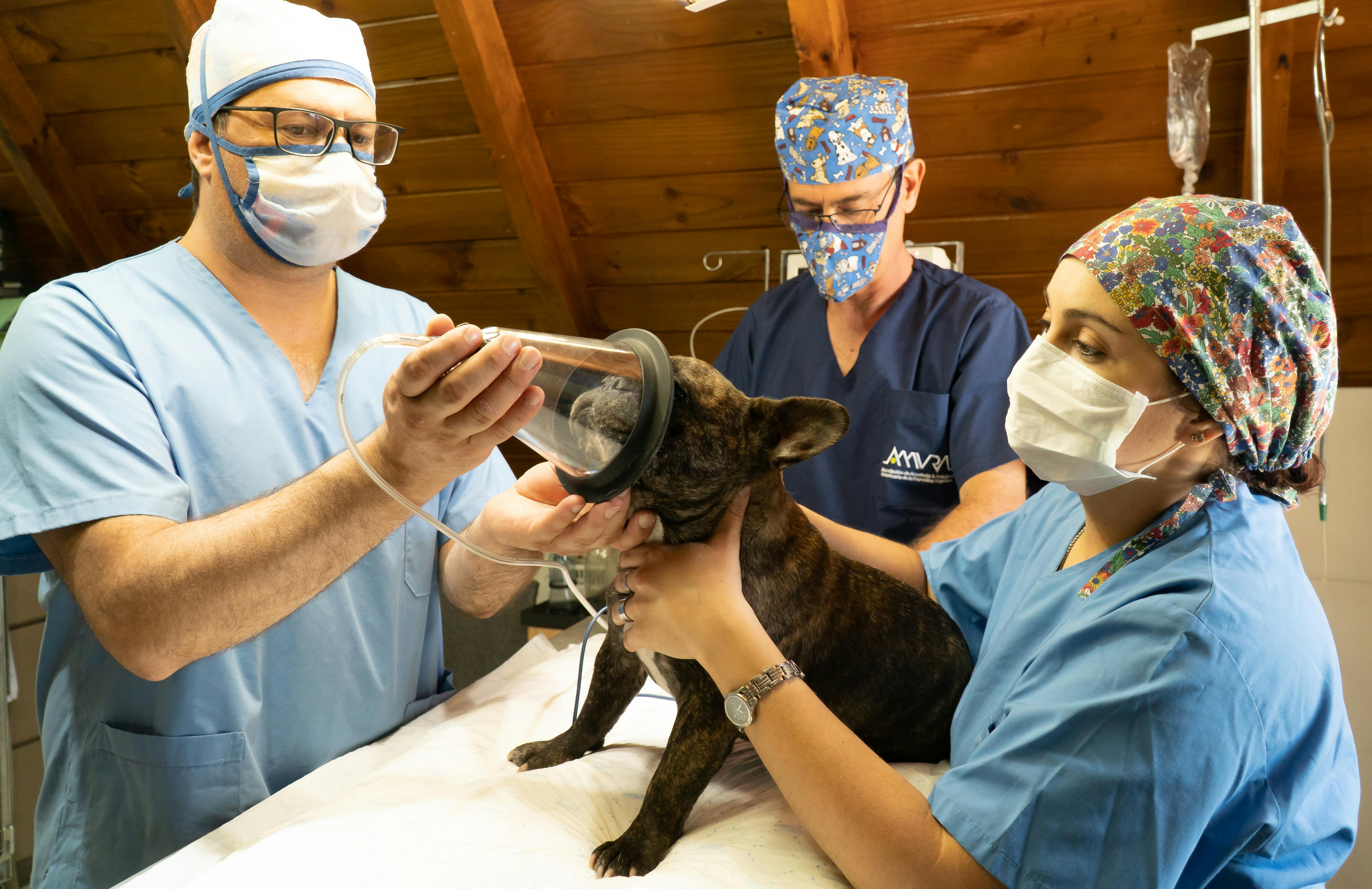
The procedure itself involves the complete removal of the scrotal sac, which is performed under general anesthesia. Our experienced veterinarians take every precaution to ensure your dog’s comfort and safety throughout the process. The surgical site is carefully closed, and your dog will be closely monitored during recovery.
After surgery, most dogs experience some swelling or discomfort, which typically subsides within a few days. Pain management is a crucial part of the recovery process, and our team will provide you with detailed instructions for administering prescribed medications and monitoring your dog at home. You can learn more about our approach to Dog Pain Management veterinary care on our website. Key aspects of post-surgical care include keeping your dog calm and restricting strenuous activity, preventing licking or chewing at the incision site (often with the use of an e-collar), and monitoring for any signs of infection such as redness, swelling, or discharge.
If you are interested in understanding how anesthesia is managed for this type of procedure, our Dog Anesthesia services page provides additional details about the protocols and safety measures we use at Northwest Animal Hospital.
Home Care and Prevention: Supporting Your Dog’s Healing
Your role in your dog’s recovery after scrotal ablation is vital. At home, you will need to provide a quiet, comfortable place for your dog to rest, and diligently follow the medication and wound care instructions provided by your veterinary team. Preventing your dog from licking the incision is especially important, as this can introduce bacteria and delay healing. Using an e-collar as directed, checking the incision twice daily for signs of redness or swelling, and administering all medications on schedule will help ensure a smooth recovery.
To reduce the risk of post-neuter complications that might lead to scrotal ablation in the future, consider discussing with your veterinarian whether your dog’s size, age, or medical history places them at higher risk. In some cases, your veterinarian may recommend a pre-scrotal neuter technique or elect to perform a scrotal ablation at the time of neutering in dogs with a history of complications. Regular Dog Wellness Exam services are an excellent opportunity to talk through surgical options, preventive care, and any concerns you may have about your dog’s health and healing.
When to Seek Veterinary Care for Scrotal Issues
If you notice any signs of persistent swelling, pain, or discomfort in your dog’s scrotal area after neutering, or if your dog is experiencing ongoing infections or trauma to the tissue, it is important to contact your veterinarian as soon as possible. Delaying treatment can result in worsening infection, additional pain, or more complex surgical needs. At Northwest Animal Hospital, our team of veterinarians is highly experienced in both routine and advanced surgical procedures, including scrotal ablation, and we are always here to answer your questions and provide timely care.
You should seek veterinary attention if you observe symptoms such as unresolving swelling more than a week after surgery, excessive licking or chewing at the area, foul odor or discharge from the incision, or your dog appears generally unwell or listless. Do not attempt to treat these issues at home without guidance. If you are ever unsure, our veterinary professionals are just a phone call away.
Trust Your Dog’s Surgical Care to Northwest Animal Hospital
Facing the possibility of scrotal ablation for your dog can be daunting, but with the right information and a compassionate, skilled team by your side, you can feel confident that your dog is receiving the highest quality care. At Northwest Animal Hospital, we prioritize your dog’s comfort, safety, and long-term health, guiding you through every step from pre-surgical consultations to post-operative recovery.
If you would like more details about scrotal ablation, or you are searching for a “vet near me” who offers thorough surgical and preventive care, our Columbus veterinary team is here to help. We encourage you to reach out for a consultation or to schedule your dog’s next comprehensive physical exam with us. For directions or in-person visits, you can find us at 1071 Old Henderson Road, Columbus, OH 43220.
If you have questions or want to discuss your dog’s needs, call our veterinary professionals at (614) 451-4772. We look forward to supporting you and your dog with the compassionate, expert care you deserve in Columbus and surrounding communities.
This blog is intended for informational purposes only. Always consult your veterinarian for advice tailored to your dog’s individual needs and medical history. For urgent concerns, please contact your veterinary clinic promptly.