Walk Ins Mondays & Tuesdays 9am - 12pm // No Charge Drop Off Exams on Thursdays
.jpeg)
When it comes to your beloved pet’s health and well-being, it is important to remember that good dental health is just as important as good physical health. Poor dental health can significantly impact their overall wellness, leading to other health problems. As a pet owner, you must pay attention to your dog’s oral health and provide appropriate preventative care.
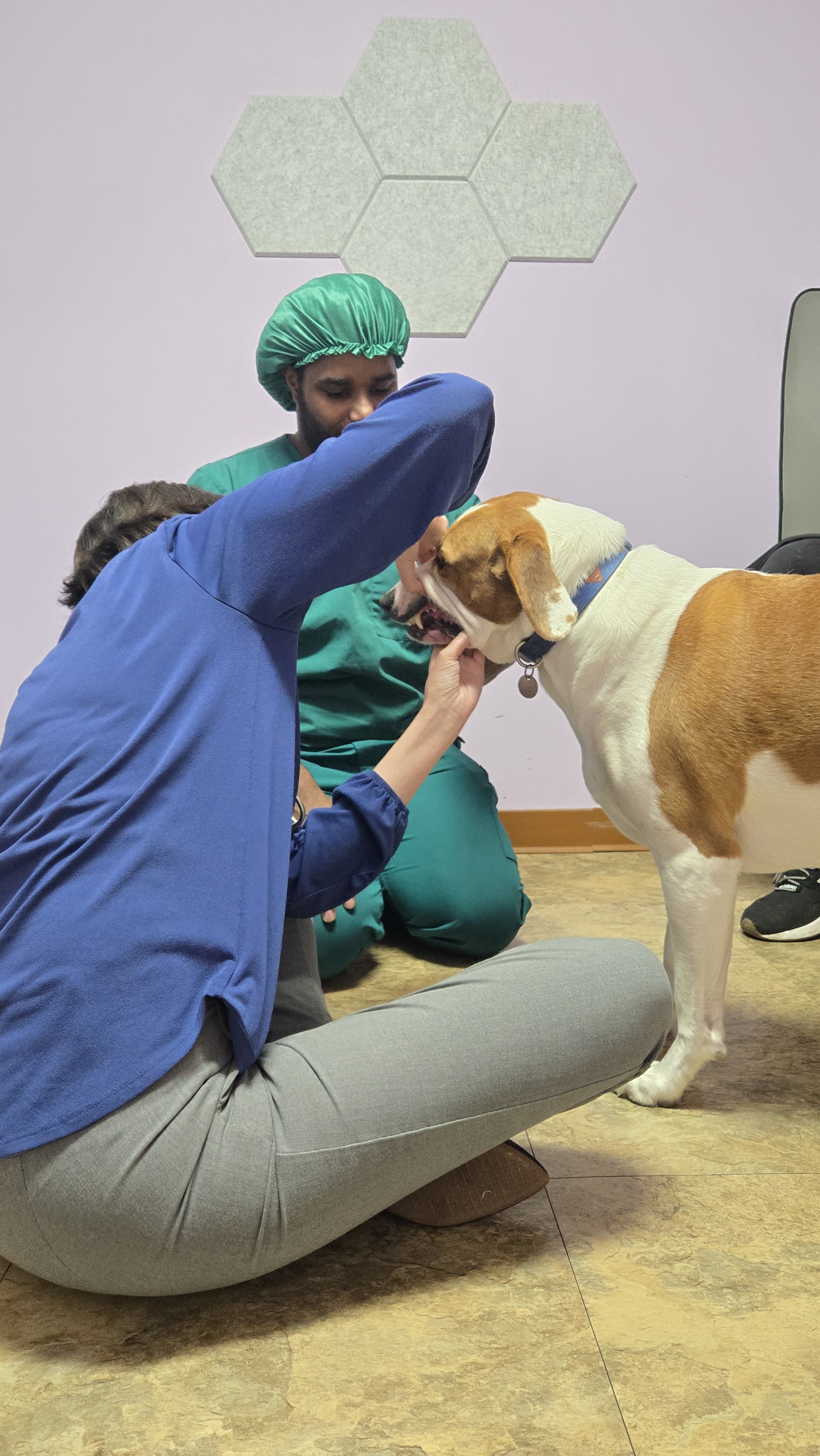
In this article, we will explore the importance of canine dental health, how to care for your dog's teeth at home, signs and symptoms of dental disease, common dental diseases in dogs, the importance of early detection and diagnosis, how often to have your vet check your dog’s teeth, and what a professional dental cleaning for a dog is like. At Northwest Animal Hospital, we are dedicated to providing the highest quality and best service to pet owners, and we are here to help you ensure that your dog’s teeth and gums remain healthy and happy. If you live in or near Columbus, OH and would like to schedule an appointment for your canine companion, please call (614) 451-4772.
Periodontal disease is common in dogs, affecting at least 80% by age three. It begins with plaque buildup, which hardens into tartar. Tartar below the gum line is particularly harmful, causing infections and damaging the jawbone and connective tissues between the teeth and jaw.
Advanced periodontal disease causes severe pain and may lead to other health problems like kidney, liver, and heart damage. Poor dental care can also lead to tooth loss due to infections and damaged teeth and gums. Dental problems also cause bad breath (halitosis), affecting their quality of life and interaction with their owners.
Severe dental diseases can also make eating and drinking difficult. Chewing on hard objects can result in broken teeth, exposing the nerve and causing pain. The exposed nerve can also become infected, leading to more severe dental problems.
.jpeg)
Home dental care is essential in ensuring your dog’s dental health. Here are five ways to keep your dog’s teeth clean and healthy:
Knowing the signs and symptoms of dental disease in dogs is crucial when it comes to ensuring your pet’s health. Here are some of the most common signs to look out for:
If you notice any of these signs, schedule an appointment with your veterinarian as soon as possible. Early diagnosis and treatment can help prevent further damage and health problems.
The most common dental diseases in dogs include cysts, tumors, gingivitis, periodontal disease, and proliferating dog gum disease. While not a disease, tooth fractures are also common.
Early detection and diagnosis of dental disease can prevent pain, preserve the teeth and supporting structures, protect vital organs from infection, and provide early intervention. Regular veterinary check-ups are important for detecting dental problems before they become more serious. Pet owners can also ensure their pet’s dental health by brushing their teeth regularly, providing them with dental chews or toys, and monitoring them for any signs of dental issues.
.jpeg)
Most veterinarians recommend having dogs’ teeth professionally examined at least once a year. Senior pets and smaller breeds tend to have more dental problems than healthy adult dogs and may require more frequent check-ups. Furthermore, if your dog shows signs of gum disease, your veterinarian may recommend more frequent cleanings and exams to prevent the condition from worsening.
Professional dental cleaning for dogs usually involves a thorough examination, teeth cleaning, and polishing. This is done under general anesthesia to ensure that the procedure is comprehensive and safe. During the cleaning, the veterinary team will remove plaque and tartar buildup above and below the gum line and any other debris or evidence of infection. They will also examine the gums and jawbone for signs of periodontal disease. Afterward, they may polish the teeth with a special paste to give them a smooth surface to reduce future bacteria accumulation.
Dental health is an essential part of your dog’s overall well-being. Ensuring their teeth and gums remain healthy can help prevent more serious health problems. As a pet owner, you should watch for signs of dental disease and schedule regular check-ups and cleanings with your veterinarian at least once a year. Home care, such as brushing regularly, providing dental chews or toys, and using oral rinses or water additives, can help maintain your pet’s dental health. Northwest Animal Hospital is dedicated to delivering the highest quality and best service to pet owners, so you can rest assured that your pet’s dental needs will be taken care of properly when you entrust their care to us.
At Northwest Animal Hospital, your pet is our priority. If you have any questions, don't hesitate to call our team at (614) 451-4772, or you can email us at nwah@nwah.com. Our staff would love to talk with you!