Walk Ins Mondays & Tuesdays 9am - 12pm // No Charge Drop Off Exams on Thursdays
.jpeg)
All diligent dog owners take their precious pets to the veterinarian when they are sick, but far too many pet parents discount the role of wellness in a dog’s overall health. Getting your dog on a good path in this regard affects their health and longevity. Thankfully, you’ve turned to the internet for answers on being proactive about your dog’s wellness, and we’re glad that you found us! At Northwest Animal Hospital, we work hard to get you the information you need to keep your pet as healthy as possible. That’s why we’ve taken the most frequently asked questions about dog wellness and answered them thoroughly and accurately so that you can get your dog on the path to optimal wellness.
If you’re looking for a highly trained and compassionate veterinarian in Columbus, OH, we’d love to help you care for your dog and any other pets that you have. If your dog hasn’t had a wellness exam in a while (or ever!), that’s the first order of business, so please call us right away at (614) 451-4772.
A dog wellness exam is generally an exam we do every six to twelve months in which we do a thorough musculoskeletal exam, eye exam, ear exam, look at their mouth and teeth, check their lymph nodes, check their skin, look under the tail, and check their paws. We’ll also discuss any issues or concerns you may have and review the dog’s lifestyle.

What you need to bring to a wellness exam is a good history that indicates how your dog's been doing at home, what the behaviors are that you consider normal, and any behaviors that you consider to be abnormal. If your dog is older and is on prescription medications, bring the list of prescriptions that they're on. Also, make sure to remember the name and type of dog food you've been serving your dog.
It’s the same as in people—prevention is far better than chasing down things after finding issues later. Many diseases can occur, and the prognosis is nearly always better when you catch these conditions earlier rather than later. For instance, it's far better to prevent heartworm disease than to discover your dog has it and then trying to treat that potentially painful condition. And when it comes to things like finding a heart murmur on a puppy, there might be surgeries that you can do. Some treatments could happen earlier rather than having a dog going into full-fledged heart failure. Catching cancer early is far better than diagnosing it in its end stages. You might be able to do some treatments on that and remove a lump when it's small versus when it's enlarged.
Essentially, wellness exams are meant to be on healthy pets, but it's incredible how many times we find underlying issues because dogs tend to be very stoic, and they hide these issues so well. And while longevity is the goal for our dogs, we also want to ensure a good quality of life.
As soon as possible. In some cases, that may be the same day or even within a few hours of getting the pet, as you may need to have some things checked before they go around your other pets. It’s probably okay to do it within the first few days of getting the pet in most cases. Generally, we see them as early as six to eight weeks to do puppy exams and get them set up on their preventative care. Beyond that, you’ll want to bring them in yearly or every six months, depending on the dog's condition. There should be an annual wellness exam and then what we call a semi-exam in the middle of the year. If you’re overdue for your dog’s annual or semi-annual exam, please contact us at (614) 451-4772 to schedule an appointment.
With basic wellness tests, we're going to recommend things like heartworm testing and fecal checks. In older dogs, we go beyond that and include things like urinalyses. Establishing baseline blood work is essential for wellness. We may order additional tests depending on what we find—such as if we felt a lump we need to check or felt something abnormal in the belly, and we need to do x-rays, or perhaps we heard a heart murmur.
What we're looking for is the dog’s baseline, what's normal and expected for them. We know certain things should be happening, so we’re looking for growth on a puppy, and then we’re looking for things that we can compare to later. For example, if we take blood work and it seems a bit abnormal, we can look at the blood work that we’d been taking since they were young, and we could say, "Well, that's this dog's normal." In other words, it's something we don't need to worry about and not spend a lot of time on.
We take a look at the eyes and ears during the examinations, and we listen to the heart and lungs. We take temperatures. And as veterinarians, we're trained to look for other things like lymph node enlargement and dental disease. We’ll also conduct range of motion exercises to test the musculoskeletal system and neurologic system.
There are some widely recognized and universal recommendations that nearly all veterinarians will make during your well visits, from prevention and dental care to nutrition and weight discussions.
A lot of these recommendations will be tied to your dog’s age and, again, lifestyle.
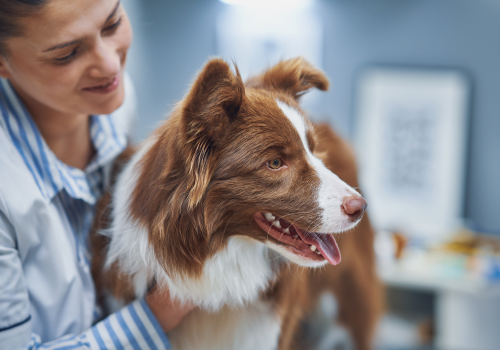
Many things in the environment can affect your dog. First and foremost, do you keep them mainly indoors or outdoors? Are both of these environments safe for your dog, including keeping toxins and other foreign bodies out of their reach?
Your dog might also suffer from environmental allergies (grass awns, foxtails, etc.) and other things related to your weather and where you live—for example, they might be exposed to mosquitos and potentially heartworm disease if you live in a moist, coastal climate. Or you might have to pay particular attention to prevent heatstroke if you live in a scorching area.
And many dog owners forget that the way you feed your dog is considered an environmental factor, as you can kill your dog with what you perceive as kindness by overfeeding them and/or allowing too many treats.
Geriatric dog screenings, often referred to as senior workups, include things like blood panels, urine testing for crystals, tear testing, checks for hypertension, blood pressure checks, x-rays if we heart murmurs or other heart-related issues, and internal organ checks. There are many diseases that geriatric dogs can get that would be different from younger dogs or more common in older dogs than younger dogs. So, a good senior workup is a regular, routine exam and diagnostics to ensure that there's nothing more going on that we just haven't detected yet.
When you have a dog that's healthy, we have a baseline of how they're doing on that day, how much they weigh, what their teeth look like, if there wasn't a heart murmur and the answers to many questions that we ask the owner. And then, as time goes on and things change—perhaps their behavior, weight, development of a heart murmur, enlarged lymph nodes, etc.—we start to know that this is a new problem, and we'll look into that as soon as we notice something isn’t right.
We could have a baseline weight, a baseline physical exam, and baseline blood work. So, these baselines tell us about your dog's white cell count, red cell count, platelet count, liver values, kidney values, and blood glucose, etc. We know what a normal range is, which means we'll know the second that it's not normal.
At Northwest Animal Hospital, your pet is our priority. If you have any questions, don't hesitate to call our team at (614) 451-4772, or you can email us at nwah@nwah.com. Our staff would love to talk with you!