Summer Dental Care Tips for Dogs and Cats in Columbus

Summer Dental Care Tips for Dogs and Cats in Columbus
As summer arrives in Columbus and the days grow longer, many pet owners notice changes in their dogs and cats—sometimes, this includes a sudden uptick in bad breath or visible tartar on their pet’s teeth. Warm weather, increased outdoor activities, and even June rains can all influence your pet’s oral health. At Northwest Animal Hospital, located at 1071 Old Henderson Road, Columbus, OH 43220, our team of veterinarians understands that dental care plays an essential role in keeping your dog or cat healthy year-round.
In this post, we’ll explore how summer conditions affect your pet’s dental health, signs of dental disease to watch for, practical at-home tips, and when to seek professional help. Whether you’re planning more walks with your dog or enjoying extra porch time with your cat, keeping their teeth clean ensures they stay happy and comfortable all season long. If you’re concerned about your pet’s breath or see signs of dental trouble, our comprehensive teeth cleaning and dental care services are here to help.
Recognizing Dental Problems in Dogs and Cats During Summer
Many pet owners first notice dental issues when their dog or cat’s breath becomes noticeably worse. While “doggy breath” or “tuna breath” in cats can be common, a strong or foul odor is not normal and often signals dental disease. Other warning signs to watch for in summer include red or bleeding gums, visible tartar buildup that appears yellow or brown, drooling, difficulty eating, pawing at the mouth, or changes in appetite.
Increased outdoor play and scavenging during the summer months can also expose pets to foreign objects or debris, which may get stuck between teeth or cause gum injuries. For example, sticks or mulch fragments can lodge in a dog’s mouth during play, while cats exploring porches or gardens may chew on plants or insects that irritate their gums. If your pet suddenly refuses dry food, drops kibble, or seems unwilling to let you look in their mouth, dental discomfort could be the cause.
Why Summer Weather and Activities Affect Pet Dental Health
Columbus summers bring heat, humidity, and periods of heavy rain, all of which can have subtle but important effects on your pet’s oral health. Warm weather encourages more outdoor activities, which can increase the risk of oral injuries from chewing on sticks, stones, or unfamiliar objects. Additionally, dogs that swim in local creeks or spend time at parks may be exposed to bacteria that can contribute to periodontal disease if their mouths are not kept clean.
Humidity and fluctuating temperatures can also impact how quickly food debris and bacteria build up in your pet’s mouth. For instance, increased panting in hot weather leads to a drier mouth, which reduces the natural cleansing effect of saliva and allows plaque to accumulate more rapidly. Cats, especially those with longer fur, may drink less water in summer heat, making them more prone to tartar and gum irritation.
Seasonal treats, such as ice cream for dogs or new dental chews, can also play a role. While some dental chews promote oral health, others may be too hard and risk breaking teeth, or may be high in sugar, contributing to plaque formation. Monitoring what your pet chews on and providing safe options is key to preventing dental damage during summer adventures.
Professional Dental Care Options for Pets in Columbus
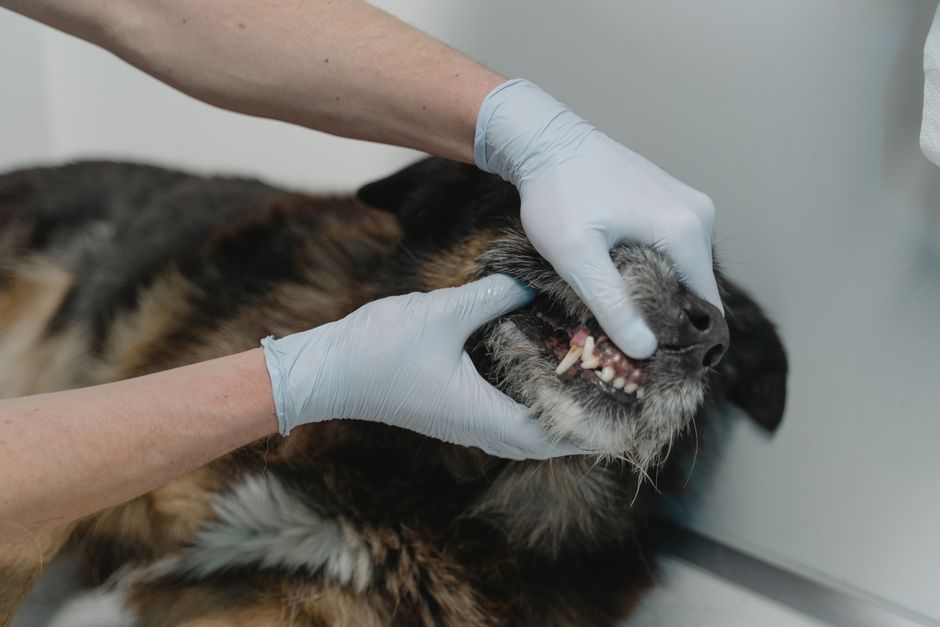
When dental disease is suspected, timely veterinary intervention is crucial. At Northwest Animal Hospital, we offer a full range of dental services designed to keep your dog or cat comfortable and healthy. Our veterinary team recommends routine dental examinations as part of your pet’s preventive care plan. During these visits, we assess oral health, check for loose teeth, evaluate gum condition, and look for hidden issues that may not be visible during a quick home inspection.
For pets showing signs of plaque, tartar, or gum disease, our teeth cleaning services provide a thorough, safe cleaning under anesthesia, allowing us to remove stubborn deposits above and below the gumline. When necessary, advanced imaging such as dental radiographs helps our veterinarians identify problems like tooth root abscesses or bone loss that can’t be seen with the naked eye. In more severe cases, procedures like extractions or oral surgery may be required to restore your pet’s comfort and prevent further health complications.
We tailor each treatment plan to your pet’s specific needs, considering factors like age, breed, and medical history. Regular cat wellness exams and dog wellness exams are also excellent opportunities to evaluate oral health and discuss preventive options with our veterinary professionals.
At-Home Summer Dental Care: Tips for Pet Owners
While professional dental care is essential, daily home care makes a significant difference in your pet’s oral health. Brushing your dog or cat’s teeth with a pet-safe toothpaste is the gold standard, and starting this routine during the relaxed summer months can help both you and your pet adjust. For dogs, offering safe chew toys or approved dental chews can help reduce tartar buildup between cleanings. Be cautious with hard bones or antlers, as these can fracture teeth, especially in enthusiastic chewers.
Cats may be less tolerant of brushing, but even gentle handling and gradually introducing finger brushes can help. Dental diets, formulated to reduce plaque, and water additives may also be beneficial, especially for pets reluctant to have their mouths handled. Always offer plenty of fresh, clean water to encourage natural cleansing. Monitoring your pet’s favorite resting spots—such as sunny porches for cats or backyard patios for dogs—ensures they aren’t snacking on inappropriate objects that could harm their teeth or gums.
If you aren’t sure which home dental products are right for your pet, our veterinary team can recommend options during your next visit or through our online pharmacy.
When to Schedule a Veterinary Dental Check
Knowing when to seek professional help is vital for your pet’s long-term well-being. If you notice persistent bad breath, swollen or bleeding gums, difficulty eating, excessive drooling, or visible broken or loose teeth, it’s time to schedule an appointment with a trusted veterinarian. Sudden changes, such as refusal to play with toys or withdrawal from family activities, may also indicate dental pain.
Some dental conditions can progress quickly, especially in the heat of summer when bacteria thrive. Ignoring early warning signs raises the risk of infections spreading beyond the mouth, potentially affecting the heart, kidneys, or other organs. Early intervention means less invasive treatment, faster recovery, and greater comfort for your dog or cat.
Our Columbus veterinary team at Northwest Animal Hospital is committed to providing thorough comprehensive physical exams that include detailed oral health assessments. If you have any concerns about your pet’s teeth or gums, don’t hesitate to reach out for guidance or to set up a dental evaluation.
Keeping Your Pet Smiling All Summer Long
Healthy teeth and gums are the foundation for a happy, active summer with your beloved dog or cat. By watching for early signs of dental trouble, understanding how summer conditions affect oral health, and practicing regular home care, you can help your pet avoid discomfort and keep those tails wagging and purrs coming.
If you need support with your pet’s dental care this season, our team of veterinarians at Northwest Animal Hospital is here to help. Whether you are searching for a reliable "vet near me" in Columbus or looking for advanced dental services, we offer compassionate, comprehensive care for dogs and cats throughout the community. Schedule a dental checkup or teeth cleaning today by calling (614) 451-4772 or visiting our convenient location at 1071 Old Henderson Road, Columbus, OH 43220. Let us help your furry companion enjoy a comfortable, healthy smile all summer long.
This article is intended for educational purposes only and does not replace professional veterinary advice. Always consult your veterinarian for specific medical recommendations for your pet.