Cat Wellness Exam: Ensure Year-Round Health in Columbus

Cat Wellness Exam: Ensure Year-Round Health in Columbus
As a cat owner in Columbus, you want to give your feline every chance at a happy, healthy life. One of the most important steps is making sure your cat receives a regular cat wellness exam at a trusted veterinary clinic like Northwest Animal Hospital. Routine checkups do much more than just update vaccinations; they allow our veterinary team to catch subtle changes in your cat’s health before they become bigger issues. In this blog, we will explain why a cat wellness exam matters, what you and your cat can expect during a visit, why spring is a smart time to schedule, and how ongoing preventive care at our 1071 Old Henderson Road, Columbus, OH 43220 location helps your feline friend thrive through every season. You will also discover practical tips for at-home care and learn when it is time to call your veterinarian for help. If you are searching for a compassionate clinic to guide your cat’s lifelong wellness journey, Northwest Animal Hospital is here for you.
Why Regular Cat Wellness Exams Matter
Spotting Subtle Signs of Trouble
Cats are masters at hiding discomfort. By the time your cat is showing clear signs of illness, there may already be a more serious problem developing. Common early warning signs that a wellness exam may be needed include a decrease in activity, changes in appetite or drinking habits, unexplained weight loss or gain, or subtle shifts in grooming behavior. Other clues, such as increased hiding, new aggression, or changes in litter box usage, can be easy to miss at home but may signal medical concerns. During a professional cat wellness exam, our veterinarians are trained to spot these subtle changes and interpret them in the context of your feline’s overall health history.
Understanding the Underlying Causes
Many health concerns in cats develop quietly over time. Conditions like dental disease, kidney issues, arthritis, and hyperthyroidism often begin with mild symptoms that may not be obvious. Environmental changes, diet, age, and genetics can all play a role in the development of these problems. Seasonal shifts in Columbus can also expose cats to different health risks, such as allergies or parasites as the weather warms up. A thorough wellness exam allows our veterinary team to assess your cat’s risk factors and provide guidance specific to your pet’s age, lifestyle, and medical background.
What is Included in a Cat Wellness Exam?
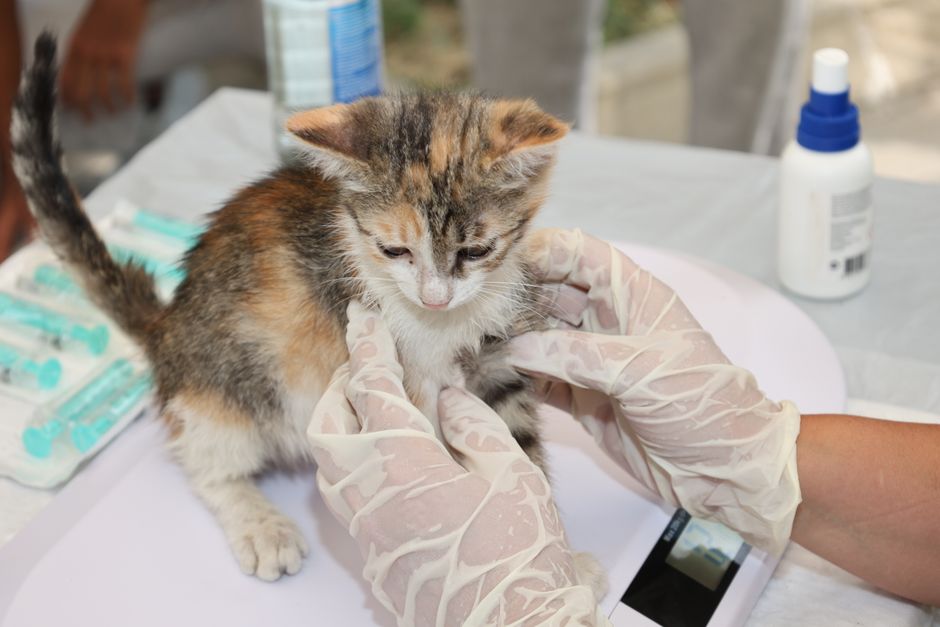
A comprehensive cat wellness exam at Northwest Animal Hospital is a head-to-tail assessment of your pet’s health. The visit typically involves a physical examination, weight and body condition scoring, and a detailed review of your cat’s medical and lifestyle history. Additional services, such as cat lab work, blood pressure monitoring, and dental evaluations, may be recommended based on your cat’s age and health status. Our veterinarians will also discuss parasite prevention, nutrition, and behavior. Vaccination needs are reviewed and updated as necessary; you can learn more about our cat vaccination services for further details. For senior cats, specialized assessments focusing on mobility, organ function, and pain management are often included; see our page on cat senior care for more about tailored senior wellness exams.
The Benefits of Scheduling Cat Wellness Exams in March
Spring: The Ideal Time for Preventive Care
Columbus pet owners know that spring often brings changes in your cat’s environment. As windows open and daylight hours increase, your cat may encounter new allergens, pests, and temptations to venture outside. Scheduling your cat wellness exam in March positions your pet for a healthy start to the season. Our veterinary professionals can ensure your cat is protected against parasites, update necessary vaccines, and identify any winter weight changes or mobility challenges that may have developed during the colder months.
Staying Ahead of Seasonal Health Concerns
In addition to routine assessments, a spring cat wellness exam allows us to discuss flea, tick, and heartworm prevention—essential for cats who go outdoors or live in multi-pet households. Columbus weather can also contribute to seasonal allergy symptoms in felines; sneezing, itchy skin, or watery eyes may be more noticeable as pollen counts rise. By addressing these concerns early in the year, you can help your cat avoid discomfort throughout the spring and summer.
How Cat Wellness Exams Support Lifelong Health
Early Detection Leads to Better Outcomes
The most significant advantage of a regular cat wellness exam is the opportunity to detect health issues early, when they are most treatable. For example, dental disease often starts with minor tartar buildup; catching it early can prevent tooth loss and systemic infections. Annual or semi-annual exams also help identify trends in weight, blood work, and organ function, providing a baseline against which future changes can be measured. When our veterinary team establishes a preventive care routine, your cat benefits from timely intervention and a tailored health plan.
Building a Partnership With Your Veterinary Team
Ongoing wellness visits strengthen the connection between your cat, you, and your veterinarians. Regular exams create continuity of care, allowing us to track your cat’s development and make recommendations that fit your pet’s unique needs. Whether your cat is an energetic kitten, a playful adult, or a wise senior, we adjust our approach to match your pet’s life stage. Our SNOUT Wellness Plans make it easier to budget for preventive care, ensuring your cat receives the attention they deserve year-round.
What to Expect During Your Cat’s Wellness Exam
The Exam Process
When you arrive for your appointment at Northwest Animal Hospital, your cat will receive a thorough physical evaluation. This includes checking the eyes, ears, mouth, and teeth for any abnormalities, listening to the heart and lungs, palpating the abdomen, and assessing joint flexibility. Our veterinarians may recommend cat dental care if tartar, gingivitis, or tooth resorption is detected. If your cat is due for diagnostic screening, we may suggest cat lab work to evaluate organ health and rule out underlying conditions. The entire process is designed to minimize stress for your pet and provide you with clear, actionable information about your cat’s health.
Customizing Care for Every Cat
No two cats are exactly alike, which is why our wellness exams are tailored to each pet’s age, lifestyle, and risk factors. For kittens, we focus on growth, socialization, and vaccination schedules; for adult cats, we monitor weight stability, blood work, and behavioral changes; and for senior felines, we assess mobility, pain, and chronic disease management. Our approach ensures your cat receives individualized care at every stage of life.
At-Home Care to Support Your Cat’s Wellness
Practical Steps for Cat Owners
Between wellness exams, you play a vital role in your cat’s health. Monitor your cat for changes in appetite, litter box habits, grooming, and energy levels. Provide a balanced diet, which our veterinary team can help you select through our cat nutrition services. Keep your cat’s environment enriched with toys, scratching posts, and safe spaces. Maintain regular parasite prevention and dental hygiene routines. If you notice any sudden or gradual changes, make note of them to discuss during your next visit.
The Value of Preventive Care
Preventive care is the cornerstone of lifelong feline health. By combining at-home monitoring with regular professional checkups, you maximize your cat’s quality of life. Wellness exams help prevent minor concerns from escalating into significant medical problems. The earlier an issue is identified, the more options we have to treat or manage it successfully.
When Should You Schedule a Cat Wellness Exam?
Guidelines for Booking
Most healthy adult cats benefit from an annual cat wellness exam, while kittens and senior cats may need more frequent visits. Book an appointment if your cat is due for vaccines, annual bloodwork, or has not seen a veterinarian in the past year. You should also schedule a visit if your cat is displaying any changes in eating, drinking, or activity; if new symptoms develop; or if you have questions about parasite prevention, dental care, or nutrition.
When Immediate Attention is Needed
Certain symptoms warrant prompt veterinary attention. These include difficulty breathing, persistent vomiting or diarrhea, refusal to eat for more than 24 hours, sudden weight loss, or signs of pain such as limping or crying out. If you notice any of these signs, contact our veterinarians immediately for guidance.
Finding a Trusted "Vet Near Me" in Columbus
When searching for a veterinarian near me, it is important to choose a clinic that prioritizes preventive care and ongoing relationships. At Northwest Animal Hospital, our veterinarians are dedicated to building a partnership with you and your cat, offering comprehensive services under one roof. From routine exams and vaccinations to advanced diagnostics and senior cat care, we are committed to helping cats in Columbus and surrounding communities live their healthiest lives.
Ready to Schedule Your Cat’s Next Wellness Exam?
Your cat’s health and happiness depend on the quality of preventive care you provide. If it has been a while since your feline’s last checkup, or if you are new to Columbus and looking for a reliable veterinary clinic, we invite you to schedule a cat wellness exam with our veterinary professionals. Our team will create a personalized plan to keep your cat thriving through every season. To book your appointment, call (614) 451-4772 or visit us at 1071 Old Henderson Road, Columbus, OH 43220. For more information on what is included in a wellness visit, explore our page on cat wellness exams or browse our full range of veterinary services. Give your cat the gift of lifelong health—schedule your next cat wellness exam today.
This article is intended for educational purposes only and does not replace professional veterinary advice. If you have specific concerns about your cat’s health, consult with your veterinarian directly.