Preventing Fall Allergies in Columbus Dogs and Cats
Preventing Fall Allergies in Columbus Dogs and Cats
As the leaves change and the air turns crisp in Columbus, many pet owners look forward to cozy autumn walks and time spent outdoors with their dogs and cats. However, fall can also usher in a wave of allergies that leave your pet scratching, sneezing, or feeling generally uncomfortable. If your dog or cat seems itchier than usual, or if you are noticing symptoms like runny eyes or frequent licking, fall allergies might be to blame. At Northwest Animal Hospital, conveniently located at 1071 Old Henderson Road, Columbus, OH 43220, our veterinary team is dedicated to helping you recognize, manage, and prevent seasonal allergies in your pets. In this guide, we will explore the common signs of fall allergies in dogs and cats, what causes these reactions, how they can be treated, and practical steps you can take to keep your pet comfortable throughout the autumn months. If your pet is struggling with allergy symptoms, our veterinary dermatology services are available to help you find relief and support for your furry friend.
Recognizing Signs of Fall Allergies in Dogs and Cats
When fall allergies strike, the symptoms can range from mild irritation to more severe discomfort. The most common signs to watch for in your pet include persistent itching, which often leads to scratching, biting, or licking at the skin and paws. You might also notice red or inflamed skin, hair loss in certain areas, or the development of small bumps and scabs. In dogs, chronic ear infections or head shaking can be signs that allergies are affecting the ears. Cats may show similar behaviors, including excessive grooming or the appearance of bald patches. Other symptoms include watery eyes, sneezing, and runny noses. If your pet is chewing at their feet after walks, rubbing their face on the carpet, or seems more restless than usual, these can also point to underlying allergies.
Some pets develop hot spots, which are localized areas of moist, inflamed skin that can become infected if not addressed promptly. It's important to distinguish between normal grooming habits and behaviors that seem excessive or out of character for your pet. In many cases, allergy symptoms worsen after time spent outdoors, especially on dry, windy days when pollen levels are higher. If your pet’s discomfort persists or you observe open sores, constant ear problems, or changes in appetite and mood, it may be time to seek professional help from your veterinarian.
Understanding the Causes of Autumn Allergies in Pets
Fall allergies in dogs and cats are often triggered by environmental allergens that become more prevalent as the seasons change. In Columbus, common culprits include pollens from ragweed, mold spores from decaying leaves, and dust mites that thrive indoors as homes become more sealed against the cold. These allergens can enter your pet’s system through inhalation, direct skin contact, or even ingestion during grooming. Some pets are more genetically predisposed to allergies, while others may develop sensitivities over time due to repeated exposure.
Ragweed pollen is particularly abundant in the Midwest during late summer and early fall, often peaking in September and October. As leaves accumulate and begin to decompose, mold spores can become airborne and settle on your pet’s coat or paws. Indoor allergens, such as dust and mold, may worsen as you begin to keep windows closed and turn on your heating system. Pets with a history of allergies, sensitive skin, or chronic conditions like atopic dermatitis are more likely to experience intense reactions during this season.
In addition to environmental triggers, flea bites can significantly aggravate allergy symptoms. Even a single flea can cause intense itching in pets with flea allergy dermatitis, making year-round parasite prevention essential. Changes in humidity and temperature can also dry out your pet’s skin, making it more susceptible to irritation from allergens.
Veterinary Treatment and Management of Fall Allergies
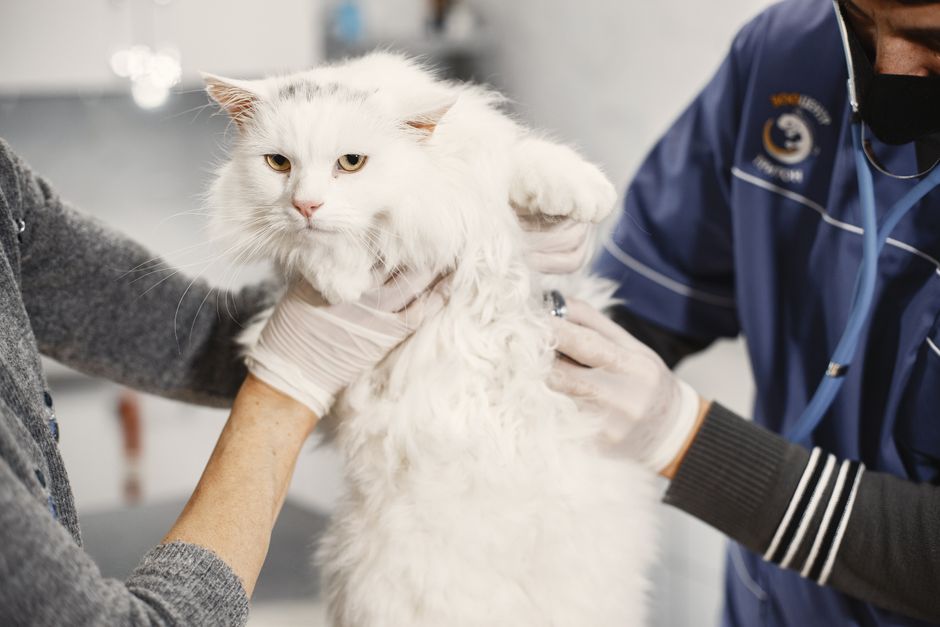
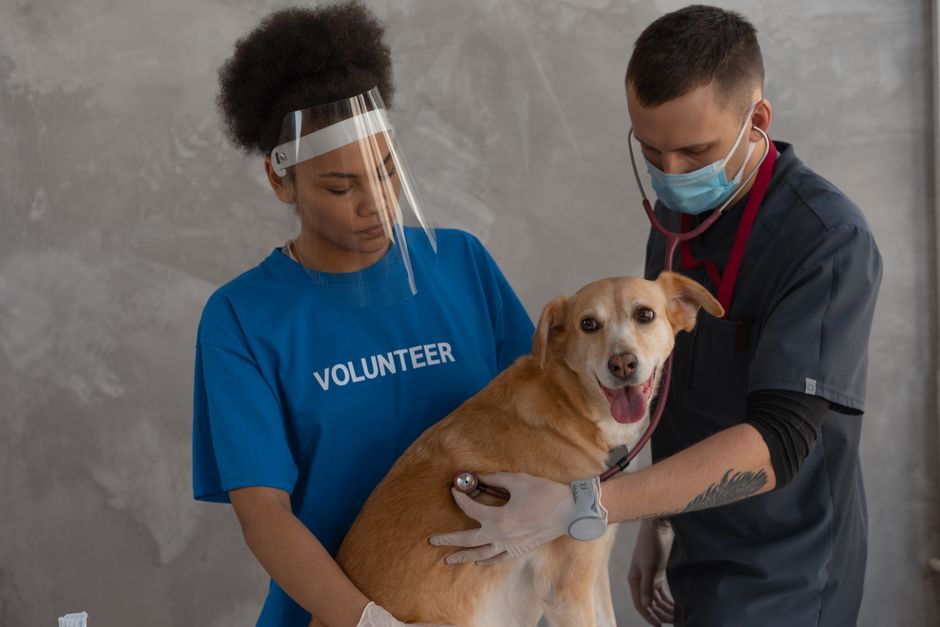
If your dog or cat is showing signs of fall allergies, veterinary intervention can make a significant difference in their comfort and quality of life. At Northwest Animal Hospital, our team performs a thorough physical examination, reviews your pet’s history, and may recommend diagnostic tests such as skin scrapings, cytology, or allergy testing to identify the underlying triggers. Our dog allergy testing and veterinary allergy care services are tailored to pinpoint specific allergens and guide effective treatment for your canine companions. For cats, our veterinarians provide cat allergy services and care that address common feline allergy concerns.
Treatment approaches depend on the severity and type of allergy affecting your pet. Management often includes antihistamines or prescription medications to control itching and inflammation. In some cases, corticosteroids may be used for short-term relief, although long-term use is carefully monitored. For pets with recurrent ear infections or skin infections, medicated shampoos, ear cleaners, or topical treatments may be prescribed. Immunotherapy, which gradually exposes your pet to small amounts of the allergen to build tolerance, is another option for chronic or severe cases.
Addressing underlying infections, such as bacterial or yeast overgrowth, is crucial for pets with allergy-induced skin conditions. Our veterinary team may recommend dietary changes or supplements, such as omega-3 fatty acids, to support skin health and reduce inflammation. For pets with flea allergies, strict parasite prevention is essential, using veterinarian-approved products to eliminate fleas and their eggs.
Throughout the treatment process, we work closely with you to develop a plan that fits your pet’s needs and your family’s lifestyle. Follow-up visits are important to monitor progress and make adjustments as needed, ensuring your pet receives the best possible care throughout the fall season.
Home Care and Prevention: Keeping Your Pet Comfortable This Fall
While professional veterinary care is vital for managing fall allergies, there are many steps you can take at home to minimize your pet’s exposure to common allergens. Wiping your dog’s paws and coat with a damp cloth after walks helps remove pollen and mold spores before they can be ingested or irritate the skin. Regularly washing your pet’s bedding and vacuuming your home with a HEPA filter can significantly reduce indoor allergen levels. Bathing your dog or cat with a gentle, veterinarian-recommended shampoo can further soothe irritated skin and wash away allergens.
Limiting outdoor activity during peak pollen times, usually in the early morning and late afternoon, may help reduce symptoms. Keeping windows closed and using air purifiers can improve indoor air quality, particularly if your pet spends most of their time inside. For cats who develop allergies, maintaining a clean litter box and avoiding scented litter can make a difference in respiratory comfort. Ensuring your pet is on year-round flea prevention is critical for reducing the risk of flea-induced flare-ups.
Diet also plays a role in skin and immune health. Providing a balanced, high-quality diet with adequate hydration supports your pet’s natural defenses against allergens. Some pets benefit from hypoallergenic diets or added supplements, but these changes should always be discussed with your veterinarian before implementation.
Observation is key; if you notice your pet’s symptoms worsening despite home care efforts, or if new signs develop, reach out to your veterinary team for guidance.
When to Seek Veterinary Care for Fall Allergies
It is important to know when at-home care is not enough to manage your pet’s fall allergies. You should schedule an appointment with our veterinarians if your dog or cat is experiencing persistent itching that leads to open sores, signs of secondary infections such as foul odor, redness, or discharge, frequent ear infections, or changes in appetite and behavior. Other warning signs include chronic respiratory symptoms like ongoing sneezing, coughing, or labored breathing.
If your pet’s symptoms are interfering with their daily activities or sleep, or if you are unsure about the cause of their discomfort, a veterinary evaluation is the safest course of action. Early intervention can prevent minor allergy symptoms from developing into more serious health issues and ensures your pet receives appropriate treatment tailored to their specific needs.
At Northwest Animal Hospital, we are committed to helping you understand and address your pet’s allergies, providing ongoing support from diagnosis through management and follow-up care. Our veterinary dermatology services are designed to offer comprehensive solutions for skin and allergy concerns in both dogs and cats.
If you suspect your pet needs urgent attention outside of our regular hours, please contact your nearest emergency clinic for immediate care.
Supporting Your Pet’s Health Through the Fall Season
Fall allergies can impact your pet’s comfort and quality of life, but with vigilant observation, proactive home care, and guidance from experienced veterinarians, you can help your dog or cat navigate the season with ease. Remember that every pet is unique in their response to allergens, and what works for one may not suit another. Our team at Northwest Animal Hospital is here to partner with you, offering tailored recommendations and compassionate care for every stage of your pet’s allergy journey.
If you are searching for a veterinarian near me in Columbus or surrounding communities, our veterinary team is ready to help your pet find relief from fall allergies. Schedule an appointment today by calling (614) 451-4772 or visiting us at 1071 Old Henderson Road, Columbus, OH 43220. For more information about our cat allergy services, dog allergy testing and care, or veterinary dermatology services, explore our website or reach out to our dedicated team of veterinarians.
Your pet’s wellbeing is our top priority this fall and every season. Let us help you keep your furry friend happy, healthy, and allergy-free.