Cat Wellness Exam: What Columbus Pet Owners Should Know
Cat Wellness Exam: What Columbus Pet Owners Should Know
Every cat deserves a life filled with health, comfort, and companionship, yet many pet owners in Columbus wonder what truly goes on during a cat wellness exam. If you have ever felt uncertain about what to expect—or questioned whether routine checkups are really necessary—you're not alone. At Northwest Animal Hospital, located at 1071 Old Henderson Road, Columbus, OH 43220, our veterinary team is committed to providing clarity and compassionate care for every feline patient. In this guide, we’ll walk you through what happens during a cat wellness exam, why these visits are so important for your cat’s long-term wellbeing, and how regular veterinary checkups can give you peace of mind as a responsible pet owner. Whether you’re a first-time cat owner or have shared your home with cats for years, understanding the value of preventive care can help your feline family member live their happiest, healthiest life.
At Northwest Animal Hospital, we offer comprehensive cat wellness examinations tailored to every life stage, from playful kittens to wise seniors. With our modern approach, feline-friendly techniques, and a commitment to the needs of Columbus and surrounding communities, we’re here to support you and your cat every step of the way.
Why Your Cat Needs a Wellness Exam
Recognizing the Subtle Signs—Why Prevention Matters
Cats are masters at hiding illness. Unlike dogs, who may be more vocal or outwardly expressive when they’re not feeling well, cats often conceal discomfort and health changes until a problem has progressed. Many pet owners find themselves surprised to learn that their seemingly healthy cat is living with an underlying condition detected only during a routine cat wellness exam. Common symptoms that can signal trouble include changes in appetite, weight loss or gain, increased thirst, lethargy, vomiting, diarrhea, bad breath, or alterations in grooming habits. Sometimes, the only sign is a subtle shift in your cat’s behavior—perhaps your usually social cat becomes withdrawn, or a once tidy litter box user starts having accidents.
These subtle changes are easy to miss in day-to-day life, which is why scheduled wellness exams are so valuable. Regular checkups allow our veterinary professionals to spot early warning signs of illness, dental disease, arthritis, kidney concerns, and other health issues before they become serious. Early detection means earlier intervention, less invasive treatment, and a better chance at a full recovery for your cat.
What Happens During a Cat Wellness Exam?
Step-by-Step: The Comprehensive Approach
When you bring your cat to Northwest Animal Hospital for a wellness exam, you can expect a gentle, thorough visit designed to minimize stress and maximize comfort. Our feline-friendly veterinary care ensures that your cat is handled with patience and understanding from the moment you walk through our doors.
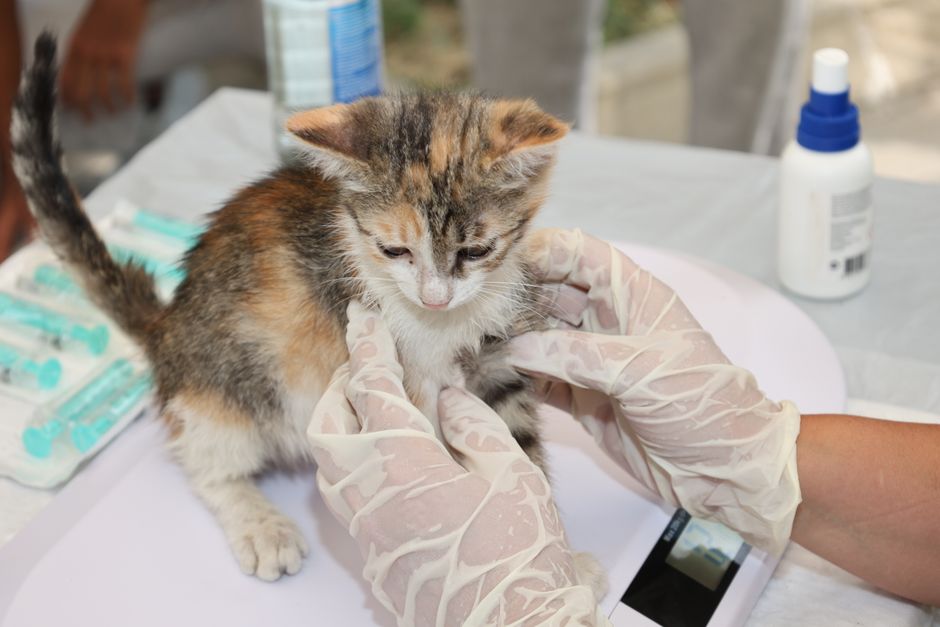
A typical cat wellness exam begins with a conversation. Our veterinarians will ask about your cat’s lifestyle, previous medical history, diet, behavior, and any changes you’ve observed at home. From there, we move on to a nose-to-tail physical examination. This includes checking your cat’s weight and body condition, evaluating the skin and coat for signs of parasites or allergies, examining the eyes and ears for infection or discharge, and looking closely at the teeth and gums for dental disease. We also listen to your cat’s heart and lungs, palpate the abdomen for internal organ health, and assess the joints and muscles for mobility or pain issues.
Depending on your cat’s age, lifestyle, and medical history, additional services may be recommended. These can include routine blood tests to assess organ function and screen for common feline diseases, vaccination updates to protect against contagious illnesses, and parasite screenings for intestinal worms or external pests. For senior cats, wellness exams often include more advanced diagnostics and a focus on age-related issues like arthritis or kidney disease. Throughout the visit, our veterinary team prioritizes gentle handling and fear-free techniques to keep your cat as relaxed as possible.
The Benefits of Regular Cat Wellness Exams
Early Intervention, Better Outcomes
The true value of a cat wellness exam lies in prevention and early detection. When health problems are caught in their earliest stages, treatment options are usually more effective, less costly, and less stressful for your cat. Conditions such as dental disease, obesity, kidney disease, hyperthyroidism, diabetes, and heart problems are far more manageable when identified early.
Regular wellness exams also create a medical history for your cat, making it easier for our veterinarians to track changes over time and tailor recommendations to your cat’s unique needs. These visits are a chance for you to ask questions about nutrition, behavior, weight management, and other concerns. By partnering with our team for preventive care, you’re giving your cat the best possible chance for a long, healthy life.
Common Health Issues Detected During Exams
What Our Vets Are Looking For
During a cat wellness exam, the most frequently detected health issues include dental disease, obesity, skin allergies, ear infections, heart murmurs, and early signs of kidney or thyroid disease. Additionally, our veterinarians may notice subtle changes in your cat’s gait that suggest arthritis, or abdominal abnormalities that warrant further investigation. For cats in Columbus, indoor and outdoor cats alike face risks from parasites, viruses, and the aging process.
Vaccination updates are another critical component of wellness care, helping to protect your cat from life-threatening illnesses such as feline leukemia, distemper, and rabies. If you’re curious about vaccination recommendations or want to learn more about our approach, visit our page on cat vaccination services.
How to Prepare for Your Cat’s Wellness Exam
Making the Visit Easier for You and Your Cat
Preparing your cat for a veterinary visit starts at home. If your cat is nervous about travel, leave the carrier out a few days before the appointment so it becomes a familiar and less threatening space. Place a soft blanket or a favorite toy inside, and consider using feline pheromone sprays to help reduce anxiety. When transporting your cat, secure the carrier in your car and cover it with a towel to help your cat feel safe.
Bring a list of any changes you’ve noticed in your cat’s behavior, appetite, or litter box habits, as well as any questions or concerns. This information helps our veterinary team provide the most individualized care. If your cat has received veterinary care elsewhere, bring previous records if available. Our goal is to make every visit as stress-free and productive as possible for both you and your cat.
At-Home Care Between Exams
Proactive Steps for Feline Wellness
While routine cat wellness exams are central to your cat’s health, daily care at home is just as important. Provide balanced nutrition appropriate for your cat’s age and activity level, ensure fresh water is always available, and maintain a clean litter box. Regularly check your cat’s teeth and gums, brush their coat, and keep an eye on their weight and energy levels.
Playtime and environmental enrichment are vital for mental and physical health, especially for indoor cats. Rotating toys, offering scratching posts, and providing climbing opportunities can help prevent boredom and obesity. If you notice any changes—such as reduced appetite, increased thirst, vomiting, diarrhea, or unusual hiding behavior—contact your veterinarian promptly. Early action can make a significant difference in your cat’s prognosis.
When to Schedule Your Cat’s Next Exam
Recognizing When Veterinary Attention Is Needed
Most healthy adult cats should have a wellness exam once a year, while kittens, seniors, and cats with chronic health conditions may benefit from more frequent checkups. If your cat is due for vaccinations, has developed new symptoms, or you simply want peace of mind, don’t hesitate to schedule a visit. Warning signs that warrant immediate veterinary attention include persistent vomiting or diarrhea, sudden weight loss, difficulty breathing, inability to urinate, or signs of severe pain.
Our team at Northwest Animal Hospital is here to provide timely, compassionate care for cats in Columbus and surrounding communities. If you ever have questions or concerns about your cat’s health, we encourage you to reach out for guidance.
Why Choose Northwest Animal Hospital for Your Cat’s Wellness Care?
Compassionate, Modern Veterinary Care in Columbus
Choosing the right veterinary partner for your cat is an important decision. At Northwest Animal Hospital, you’ll find a team dedicated to low-stress handling, clear communication, and the highest standards of medical care. Our comprehensive physical exams and preventive care are designed to support every stage of your cat’s life, and our feline-friendly approach ensures your cat’s comfort throughout each visit.
We are proud to serve Columbus and nearby communities with flexible scheduling, walk-in appointments, and a commitment to preventive pet health. Our online pharmacy and wellness plans make it easier than ever to stay up to date on your cat’s needs.
Take the Next Step: Schedule Your Cat’s Wellness Exam Today
Regular cat wellness exams are one of the best ways to ensure your feline companion’s long-term health and happiness. If you’re searching for a "vet near me" who understands the unique needs of cats, look no further than Northwest Animal Hospital. Our veterinary professionals are here to answer your questions, provide preventive care, and support you as a dedicated cat owner.
Ready to schedule your cat’s next wellness exam? Call our team at (614) 451-4772 or visit us at 1071 Old Henderson Road, Columbus, OH 43220. For more details about what to expect, explore our information on cat wellness examinations. We look forward to partnering with you in your cat’s lifelong health and wellbeing.
This blog is intended for informational purposes only and should not replace professional veterinary advice. If you have concerns about your cat’s health, please contact a licensed veterinarian directly.