Episioplasty for Dogs: Why This Surgery Matters
Episioplasty for Dogs: Why This Surgery Matters
Is your female dog struggling with repeated urinary tract infections, chronic discomfort, or redness around her vulva that does not seem to resolve? If so, you are not alone—these problems are more common than many pet owners realize, and they can seriously impact your dog's quality of life. At Northwest Animal Hospital in Columbus, OH, our veterinary team frequently helps families address these issues through compassionate, high-quality care. One effective solution we offer is episioplasty, a specialized surgery designed to relieve discomfort and prevent recurrent infections in female dogs. In this blog, you will learn what episioplasty is, when it may be needed, how the procedure works, and what you can expect as your dog recovers. We will also provide practical advice on supporting your dog's health at home and knowing when to reach out for veterinary help. If you are searching for reliable answers and trusted care for your dog in Columbus and surrounding communities, you are in the right place.
Recognizing the Problem: Signs Your Dog May Need Episioplasty
Many pet owners first notice a problem when their dog begins to show signs of discomfort in the area around her vulva. Common symptoms include frequent licking of the area, redness or swelling, a persistent foul odor, or discharge that does not clear up with basic hygiene. In some cases, your dog might have difficulty urinating or experience accidents in the house due to pain or irritation. Recurring urinary tract infections are another strong indicator that there may be an underlying problem with your dog's anatomy.
If you have tried traditional treatments like antibiotics or topical creams without lasting improvement, it is important to consider that the issue might be structural rather than strictly medical. A recessed or “hooded” vulva, which is often the root cause, traps moisture and bacteria, creating the perfect environment for ongoing infections and inflammation. Female dogs of any age or breed can be affected, but the condition is especially common in spayed females and those with excess skin folds.
Why Does This Happen? Understanding the Causes of Vulvar Conformation Issues
Episioplasty becomes necessary when a dog’s vulva is partially hidden or covered by excess skin, which veterinary professionals refer to as a recessed or hooded vulva. This anatomical issue is often present from a young age but can become more pronounced after a dog is spayed or gains weight. When the vulva is not properly exposed, it creates a warm, moist environment where bacteria can thrive; this leads to chronic infections, inflammation, and discomfort.
Certain breeds are predisposed due to their body structure, with dogs who have deep skin folds or are overweight facing a higher risk. Hormonal changes after spaying may also contribute to weaker skin tone and increased folding in the area. Over time, repeated infections can cause scarring and further compound the issue. Sometimes, pet owners notice chronic skin irritation or rashes that do not resolve, even with good hygiene and medical management. If your dog has experienced these problems, discussing the underlying cause with your veterinarian is crucial.
Episioplasty Surgery: How It Helps Your Dog
When medical management is no longer effective, an episioplasty can provide lasting relief for your dog. This surgical procedure, also called vulvoplasty, involves carefully removing the excess skin folds that cover the vulva, allowing it to be fully exposed. By improving airflow and eliminating the moist, hidden environment, episioplasty reduces the risk of bacterial overgrowth and future infections.
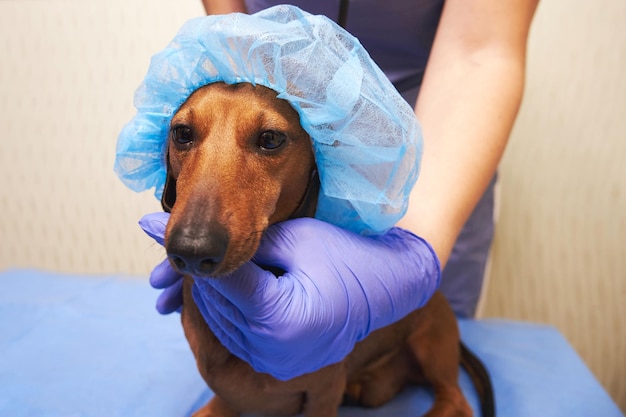
At Northwest Animal Hospital, our experienced veterinary team performs episioplasty with your dog’s safety and comfort as the top priorities. The procedure is done under general anesthesia; your dog will be closely monitored throughout the process. The surgical approach is designed to remove only the necessary amount of tissue for optimal function and appearance, which helps ensure a smooth recovery and minimal scarring.
Most dogs experience significant improvement after healing, with a dramatic reduction in urinary tract infections, skin irritation, and discomfort. Owners often report that their dogs are more comfortable, energetic, and happier following the procedure. For a detailed overview of the surgery and answers to common questions, you can visit our episioplasty surgery for pets page.
What to Expect on Surgery Day
On the day of your dog’s episioplasty, you will bring her to our Columbus location after fasting as instructed. Our veterinarians will perform a thorough pre-surgical exam and answer any remaining questions you may have. Your dog will receive anesthesia, pain management, and attentive monitoring during the procedure. After surgery, you will be given clear aftercare instructions and guidance on pain control at home.
Home Care and Recovery: Supporting Your Dog After Episioplasty
Recovery from episioplasty is usually straightforward, but attentive home care is essential for optimal healing. Your dog may experience some mild swelling or bruising at the surgical site, which typically resolves within a week or two. It is important to prevent your dog from licking or scratching the area, so an Elizabethan collar (cone) or surgical suit may be recommended.
Keep the surgical site clean and dry, and monitor for any signs of infection such as unusual redness, discharge, or persistent swelling. Your veterinarian may prescribe antibiotics or pain medication, and you will be advised on how to administer these safely. Most dogs can resume gentle activity within a few days, but vigorous exercise and bathing should be avoided until your veterinarian gives the all clear.
Regular follow-up visits are important to ensure that healing is progressing as expected. Our team at Northwest Animal Hospital will schedule check-ins and answer any concerns you have along the way. In most cases, pet owners are delighted to see their dog’s symptoms resolve, with a significant improvement in overall comfort and well-being.
Preventing Recurrence and Supporting Your Dog’s Health
While episioplasty addresses the underlying structural issue, there are steps you can take at home to support your dog’s ongoing health. Maintaining a healthy weight can reduce the risk of skin fold problems, so regular exercise and a balanced diet are important. Good hygiene is also essential; gently cleaning the area around your dog’s vulva after walks or playtime can help prevent bacteria from accumulating.
If your dog is prone to allergies or skin sensitivities, speak with your veterinary team about ways to manage these conditions, as they can contribute to irritation. Scheduling regular wellness exams allows your veterinarian to monitor for any early signs of infection or recurrence. If you notice any changes in your dog’s urination habits, odor, or skin appearance, do not hesitate to reach out for guidance.
When to Seek Veterinary Assistance
Prompt veterinary care is essential if your dog shows signs of discomfort, persistent licking, redness, or discharge around the vulva. Recurrent urinary tract infections, accidents in the house, or a sudden change in behavior are all signals that something may be wrong. If you have tried medical treatments without lasting relief, it is time to discuss whether episioplasty may be the right solution.
At Northwest Animal Hospital, we are committed to providing thorough evaluations and compassionate recommendations tailored to your dog’s needs. Our veterinarians will take the time to discuss all available options, including episioplasty surgery for pets, and answer your questions with honesty and care.
Delaying treatment can lead to more severe infections and ongoing discomfort for your dog, so we encourage you to contact us as soon as you notice a problem. Early intervention leads to the best possible outcomes and a happier, healthier life for your dog.
Your Partner for Episioplasty and Pet Surgery in Columbus
At Northwest Animal Hospital, we understand how stressful it can be to see your dog suffer from chronic infections or discomfort. Our veterinarians are here to provide expert guidance, advanced surgical care, and ongoing support every step of the way. Whether you are just starting to notice symptoms or have already explored other treatments, we are ready to help you find answers.
If you have been searching for a "vet near me" who offers episioplasty and other advanced surgical options with compassion and expertise, look no further than our Columbus location. Our skilled veterinary team is proud to serve Columbus and surrounding communities, offering a full range of services for dogs and cats.
To learn more about how episioplasty can help your dog or to schedule an appointment, call us at (614) 451-4772 or visit our episioplasty surgery for pets page. Trust the Northwest Animal Hospital team to support your dog’s health and happiness with the highest standard of care.
This blog is intended for informational purposes only. For diagnosis or personalized treatment recommendations, please consult directly with your veterinarian.