How Columbus Pet Owners Can Prevent Parasites in August

How Columbus Pet Owners Can Prevent Parasites in August
As summer heats up in Columbus and the humidity climbs, pet owners across the city and surrounding communities face a seasonal challenge: keeping their dogs and cats safe from parasites. August’s warm, damp weather creates the perfect environment for fleas, ticks, mosquitoes, and other pests to thrive—meaning your furry family members are at greater risk for itchy bites, allergic reactions, and even serious diseases like heartworm. At Northwest Animal Hospital, located at 1071 Old Henderson Road, Columbus, OH 43220, our team of veterinarians understands how overwhelming parasite prevention can seem, especially during Ohio’s muggiest months. In this guide, we’ll help you spot the warning signs of summer parasites, explain why they are more active in August, and share practical steps for protecting your pet. We’ll also discuss how our comprehensive veterinary care supports parasite prevention, so you can enjoy peace of mind all season long.
Recognizing the Signs of Parasite Problems in Dogs and Cats
It’s not always easy to tell when your pet has picked up a hitchhiking parasite. Many dogs and cats will scratch or groom themselves more often, but some pets hide discomfort or show only subtle changes in behavior. Common signs of a flea or tick infestation include persistent itching, red or irritated skin, sudden hair loss (especially on the back or base of the tail), and the appearance of tiny dark specks in the fur, which are often flea droppings. Some pets develop scabs, hotspots, or even secondary skin infections from excessive scratching.
Heartworm disease, which is spread by mosquitoes, is even trickier to spot in the early stages. Early symptoms can include a mild cough, decreased energy, reluctance to exercise, and unexplained weight loss. As the disease progresses, more severe signs such as labored breathing, persistent coughing, or fainting spells may develop in dogs. Cats, meanwhile, may show vague symptoms like vomiting, asthma-like attacks, or sudden collapse.
If you notice these warning signs or your dog or cat seems unwell after spending time outdoors, parasite exposure may be to blame. Prompt identification and intervention are crucial for effective treatment and preventing long-term health risks.
Why August Brings a Surge in Parasites for Columbus Pets
Many pet owners wonder why parasite problems seem to spike during late summer. The answer lies in the local climate and the life cycles of common pests. Columbus’s August weather is typically warm and humid, which accelerates the breeding of fleas and ticks. Fleas thrive in temperatures above 70 degrees Fahrenheit and lay eggs in shaded, moist environments such as grass, under decks, or in pet bedding. These eggs hatch quickly, leading to sudden infestations seemingly overnight.
Ticks are most active during summer and early fall, waiting in tall grass or wooded areas to latch onto passing pets. After a walk in the park or a romp in your backyard, your dog can easily pick up ticks that are searching for a blood meal. Ticks not only cause itching but can also transmit diseases like Lyme disease and ehrlichiosis.
Mosquitoes, which carry the larvae responsible for heartworm disease, breed in standing water and are especially abundant after summer rains. Even a small puddle or birdbath in the backyard can support a thriving mosquito population. Since mosquitoes are most active at dawn and dusk, pets who go outdoors during these times are at increased risk.
The combination of longer days, frequent rain, and lush vegetation in Columbus during August means that local pets face a higher risk of encountering these parasites. Understanding these seasonal dynamics helps pet owners stay one step ahead in protecting their companions.
Professional Parasite Treatment and Management for Dogs and Cats
When parasites make their way into your home or onto your pet, professional veterinary care is key to stopping the cycle quickly and safely. At Northwest Animal Hospital, our veterinary team is equipped to diagnose and treat a variety of parasite-related issues. For dogs and cats with flea or tick infestations, treatment options may involve prescription-strength topical or oral medications that kill adult parasites and prevent the development of eggs and larvae. In cases of severe skin irritation or infection, we may also recommend medicated shampoos, anti-itch therapies, or antibiotics to support healing.
Heartworm disease requires a very different approach. If your dog tests positive for heartworm, our veterinarians will develop a treatment plan that may include a series of injections, rest, and supportive care tailored to the severity of the infection. Because heartworm treatment can be risky and complicated, prevention is always preferable. We provide heartworm testing and guidance on year-round preventive medications, which are the safest and most effective way to protect your pet.
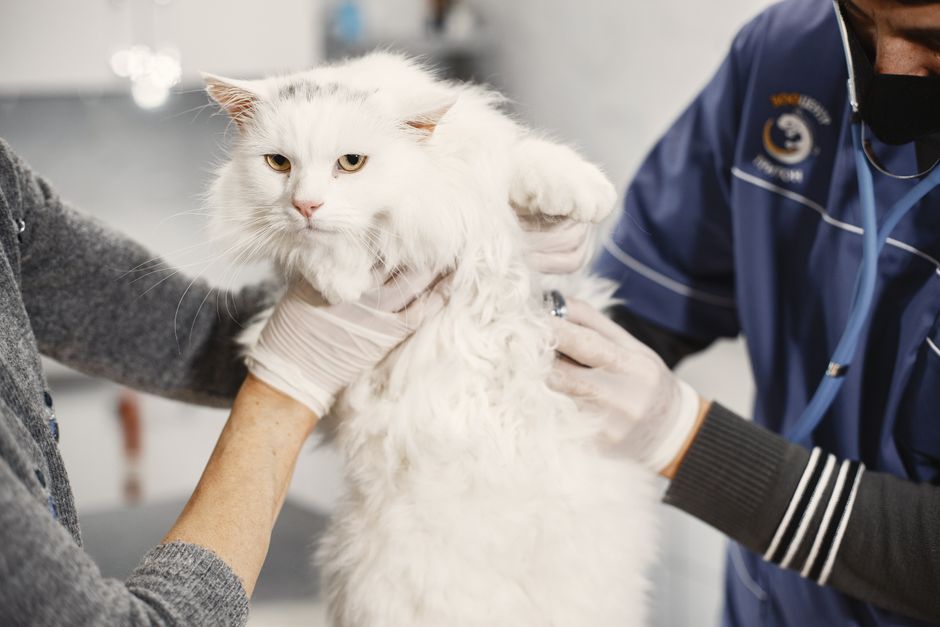
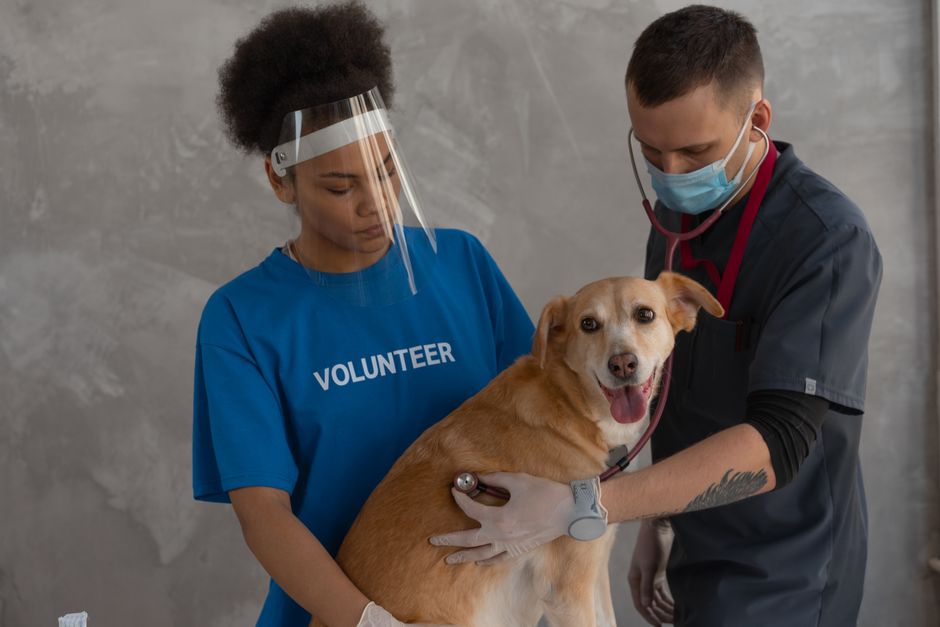
For pet owners who want to keep their pets safe from all types of parasites, scheduling a comprehensive physical exam is the best first step. During these visits, our veterinarians can check for signs of fleas, ticks, and other parasites, as well as recommend the best prevention methods for your individual dog or cat based on their lifestyle and risk factors.
Home Prevention Tips for Protecting Your Pet in August
While professional care is essential for treating parasite problems, there is also a lot you can do at home to reduce your pet’s risk. Regularly checking your dog or cat’s coat for fleas and ticks after outdoor activities is a simple but effective habit. Run your hands over their body, paying close attention to the neck, ears, and between the toes, where ticks often hide. Removing ticks promptly with a safe tick removal tool can help prevent disease transmission.
Washing your pet’s bedding, vacuuming floors and furniture, and treating your yard with pet-safe products can further reduce flea populations in the environment. If your home has multiple pets, treating all animals at the same time prevents reinfestation.
Consistent use of veterinarian-recommended parasite preventives is the most reliable way to keep your pet safe. These products come in a variety of forms, including monthly chewables, topical treatments, and collars. Our team can help you choose the right preventive regimen based on your pet’s age, weight, health status, and exposure risk. You can easily order these trusted products through the Northwest Animal Hospital Online Pharmacy for convenient home delivery.
Keeping your yard tidy, removing sources of standing water, and trimming tall grass or brush around your home also helps make your property less inviting to fleas, ticks, and mosquitoes.
When to Seek Veterinary Care for Parasite Concerns
Timely veterinary care is crucial when you suspect a parasite problem or notice worrisome symptoms in your pet. If your dog or cat has persistent itching, visible fleas or ticks, skin sores that do not heal, or sudden changes in appetite or behavior, it’s time to schedule an appointment. For heartworm prevention, annual testing and consistent use of prescription preventives are essential—even if your pet seems healthy, as heartworm disease often goes unnoticed until it becomes advanced.
If you are starting a new puppy or kitten on parasite prevention, our team offers specialized Puppy Care and Kitten Care services to get your newest family member off to a healthy start. We also encourage semi-annual Dog Wellness Exams and Cat Wellness Exams for ongoing prevention and early detection of health issues.
Delaying treatment for parasites can lead to more serious complications, including chronic skin conditions, allergic reactions, anemia, and in the case of heartworm, life-threatening heart and lung damage. If you are unsure whether your pet’s symptoms warrant a veterinary visit, our compassionate team is always happy to answer your questions and provide guidance.
Protecting Your Pet Year-Round: The Importance of Local Veterinary Support
August in Columbus brings beautiful sunny days but also an increased threat of fleas, ticks, and heartworm-carrying mosquitoes. By staying alert for symptoms, understanding the local risks, and working closely with your veterinarian, you can protect your dog or cat from the discomfort and danger these parasites pose. Remember, parasite prevention is not just for the summer; year-round vigilance is the best way to keep your pet safe.
When searching for a reliable [vet near me], choose a practice that prioritizes preventive care, clear communication, and personalized recommendations. At Northwest Animal Hospital, our team of veterinarians is here to support you and your pet with comprehensive exams, effective parasite preventives, and ongoing wellness throughout every season. To schedule an appointment or discuss your pet’s parasite prevention plan, call us at (614) 451-4772 or visit us at 1071 Old Henderson Road, Columbus, OH 43220. Together, let’s keep your pets happy, healthy, and parasite-free this August and beyond.
The information in this blog is intended for educational purposes only and does not replace professional veterinary advice. If you have concerns about your pet’s health, please consult with our veterinary team for specific recommendations.