Cold Weather Pet Safety Tips for Columbus Dog Owners
Cold Weather Pet Safety Tips for Columbus Dog Owners
As autumn arrives in Columbus and the crisp October air settles in, dog owners across the city begin enjoying colorful walks and cozy evenings with their four-legged companions. However, as the temperature drops, new risks and challenges emerge for our pups—ranging from chilly winds on morning walks to hidden hazards like ice-melt chemicals and cold-weather joint stiffness. At Northwest Animal Hospital, located at 1071 Old Henderson Road, Columbus, OH 43220, our veterinary team is dedicated to helping you keep your dog healthy, comfortable, and ready for every autumn adventure.
In this blog, you will learn how cold weather affects dogs in the Columbus area, how to recognize signs of discomfort or illness related to the drop in temperature, and what steps you can take to prevent seasonal hazards. We will also discuss when it is time to seek professional veterinary care and how our team supports your dog's wellbeing throughout the changing seasons. Whether you are planning a leaf-filled hike, a neighborhood walk, or simply want peace of mind as the weather cools, these cold weather pet safety tips will help you protect your dog's health and happiness all autumn long.
Recognizing Cold Weather Risks for Your Dog
Understanding how cooler temperatures can affect your dog is the first step in providing the care they need. While some breeds handle the cold better than others, all dogs are susceptible to certain risks once autumn arrives in Columbus and the surrounding communities.
Common signs that your dog may be uncomfortable or at risk in the cold include shivering, lifting or holding up their paws during walks, reluctance to go outside, or seeking shelter more frequently. You might notice changes in their behavior such as reduced activity, increased vocalization, or attempts to hide. Dogs with shorter coats, very young puppies, seniors, and those with chronic health conditions are especially vulnerable to the effects of colder weather.
Keep an eye out for symptoms like dry, cracked paw pads, redness or swelling between the toes, and limping after outdoor activity. Icy sidewalks, salt, and chemical de-icers can cause irritation or even injury to your dog's feet. In some cases, dogs may develop seasonal allergies or respiratory issues as the air becomes drier and indoor heating is used more frequently.
If your dog lives with arthritis or joint pain, they may experience increased stiffness or difficulty moving as the temperature drops. Watching for these subtle changes can help you intervene early and keep your dog comfortable.
Why Cold Weather Affects Dogs in Columbus
Columbus autumns can be unpredictable, with mild afternoons quickly turning to frosty mornings. Sudden drops in temperature, increased moisture, and the use of ice-melting chemicals all contribute to seasonal risks for dogs.
Short-haired breeds and dogs with minimal body fat are more likely to feel the effects of cold weather, while breeds with thick double coats may fare better but are not immune to chilly winds or wet conditions. Senior dogs and those with chronic illnesses, such as heart disease or diabetes, have a harder time regulating their body temperature, making them more prone to cold stress.
As leaves fall and cover sidewalks and trails, hidden hazards like sharp sticks or uneven surfaces can lead to injuries such as torn toenails. If your dog experiences a torn nail or other injury during a walk, our team provides timely veterinary care for torn toenails to ensure prompt treatment and pain relief.
Additionally, the increased use of rodenticides, antifreeze, and de-icing salts during the autumn and winter months can expose curious dogs to dangerous toxins. Ingestion of these substances can lead to serious health problems, so it is crucial to be vigilant about what your dog encounters during outdoor activities.
Supporting Your Dog’s Health: Professional Veterinary Care
Regular veterinary care plays a vital role in keeping your dog healthy throughout the cooler months. Scheduling a dog wellness exam at Northwest Animal Hospital allows our veterinarians to assess your dog's overall health, monitor for seasonal issues, and recommend preventive measures tailored to your dog's unique needs.
During a wellness examination, we check for joint stiffness, skin and coat condition, and signs of respiratory or heart issues that may be exacerbated by colder temperatures. If your dog is already experiencing discomfort or new symptoms, a timely visit can help identify problems early and provide effective treatment.
For injuries or sudden illness, our clinic offers urgent veterinary care to address issues such as lacerations, torn toenails, and more serious conditions that may arise during cold weather outings. Our veterinary team also provides support for managing chronic pain, adjusting medication dosages for the season, and offering guidance on safe exercise routines when conditions are icy or unpredictable.
If you are planning more adventurous fall activities, check out our dog activities and fun resources for Columbus for tips on safe outings and ways to enrich your dog's life during the cooler months.
Preventive Steps and Home Care for Autumn Comfort
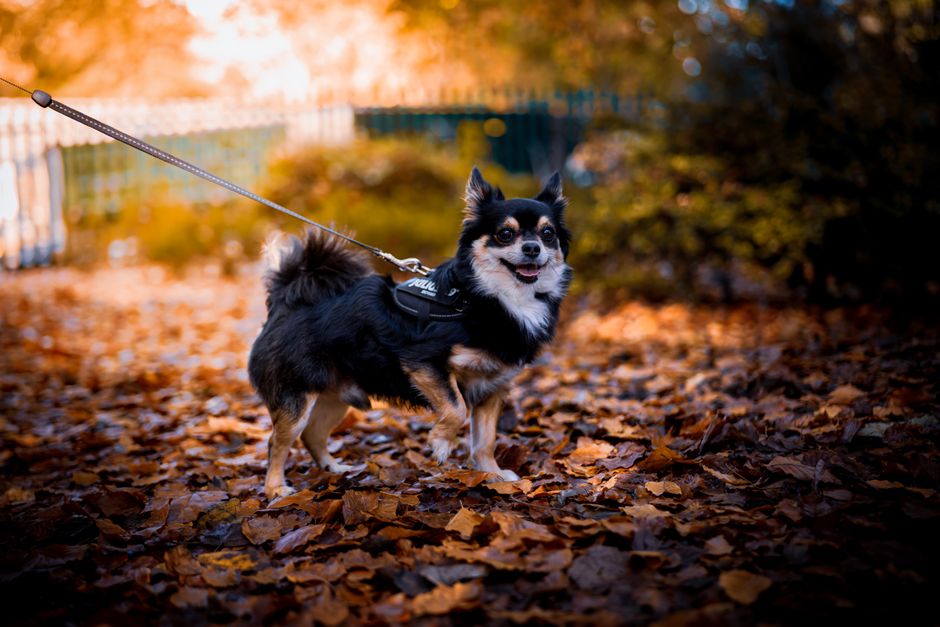
Helping your dog thrive in cold weather starts with a few simple preventive measures at home and on every walk. Start by adjusting your walking routine to avoid the coldest times of day—midday walks are often warmer and more comfortable for your dog. If your dog shivers or seems uncomfortable, consider using a properly fitted dog coat or sweater, especially for short-haired breeds.
Protect your dog's paws by wiping them after every walk to remove salt, ice, or chemicals that may have accumulated. Applying a pet-safe paw balm can help prevent cracking and keep their pads supple. Watch for signs of irritation or injury, as prompt attention can prevent more serious issues.
Maintain your dog's activity level with indoor games or short, frequent walks when the weather is harsh. Keeping your dog at a healthy weight reduces joint strain and supports overall health. Adjusting nutrition for the season may be necessary, particularly for dogs that are less active in colder months. Our veterinary team offers expert dog nutrition guidance to help you choose the right food and portion sizes for your dog's age, breed, and lifestyle.
Keep your home environment comfortable by providing a warm, draft-free sleeping area away from doors and windows. For dogs with arthritis or mobility challenges, orthopedic beds and ramps can make a significant difference in their daily comfort.
When to Seek Veterinary Care for Cold Weather Concerns
Knowing when to contact your veterinarian is essential for your dog's wellbeing. If your dog displays persistent shivering, lethargy, pale gums, or difficulty breathing, seek veterinary care promptly as these may be signs of hypothermia or serious illness. Injuries such as torn toenails, lacerations, or limping after a walk also warrant a professional evaluation to prevent infection and ensure proper healing.
If you notice changes in your dog's appetite, drinking habits, or behavior that last more than a day or two, schedule an appointment for a wellness examination. Chronic conditions like arthritis may require medication adjustments or additional therapies during colder months, and our team is here to support your dog's ongoing comfort.
For sudden injuries or if your dog ingests a potentially toxic substance such as antifreeze or rodent bait, contact us immediately for urgent care. Acting quickly can make all the difference in your dog's recovery.
Remember, it is always better to err on the side of caution. If you are unsure whether your dog's symptoms require veterinary attention, our team is happy to answer your questions and guide you on the next steps.
Keeping Your Dog Safe and Happy This Fall in Columbus
As the leaves turn and the air cools in Columbus, taking proactive steps to support your dog's health will ensure that autumn remains a season of safe and joyful exploration. By recognizing the signs of cold weather discomfort, understanding the unique risks of the season, and working closely with your veterinarian, you can help your dog stay active, comfortable, and protected from harm.
If you are searching for a veterinarian near me who understands the needs of Columbus dogs during autumn and beyond, our team at Northwest Animal Hospital is ready to help. Schedule a wellness exam, ask about seasonal nutrition, or reach out for urgent care as needed—your dog's health and happiness are our top priorities.
To book an appointment or ask questions about your dog's seasonal care, call us at (614) 451-4772. You can also visit us at 1071 Old Henderson Road, Columbus, OH 43220. For additional resources on safe outings and fun activities for dogs in the Columbus area, explore our dog activities and fun resources.
Let Northwest Animal Hospital support you and your dog through every season, so you can enjoy all the beauty and adventure that fall in Columbus has to offer.