Is Your Pet Ready for Fall? Columbus September Pet Health Checklist
Is Your Pet Ready for Fall? Columbus September Pet Health Checklist
Welcoming the crisp air and golden leaves of September is always a delight in Columbus, but as summer shifts into fall, it’s important to ensure your dog or cat is prepared for the seasonal changes ahead. At Northwest Animal Hospital, located at 1071 Old Henderson Road, Columbus, OH 43220, our team of veterinarians is dedicated to helping pet owners in Columbus and surrounding communities keep their four-legged family members happy and healthy all year long. This September pet health checklist will guide you through the key preventive steps, nutrition tips, parasite prevention, and early fall safety measures specific to our Ohio climate. Whether you’re concerned about lingering summer pests, allergy flare-ups, or preparing your pet for back-to-school schedule changes, we’re here to help you navigate it all.
In this blog, you’ll learn how to recognize seasonal health risks, why these issues arise in the fall, effective ways to keep your pet safe, and when to schedule a veterinary visit for extra peace of mind. Our commitment to comprehensive care means we’re ready to support you with wellness examinations, parasite prevention, nutrition counseling, and more as you get your pet ready for the season ahead.
Recognizing Fall Health Risks for Dogs and Cats
As the days grow shorter and temperatures begin to drop, your pet’s health needs may shift. Recognizing early signs of seasonal problems helps you act quickly and avoid bigger issues down the road. Key symptoms to watch for include increased scratching or licking that could signal skin or allergy issues, sneezing or watery eyes that may reflect environmental allergies, and decreased energy or appetite that might be related to weather changes or less outdoor activity. Dogs and cats are also at risk for lingering flea and tick infestations, especially during the early fall when these parasites remain active in Ohio’s mild September weather.
Other concerns to be aware of are weight gain due to reduced exercise, changes in coat condition as your pet’s fur adapts to cooler temperatures, and signs of joint stiffness, especially in senior pets. If your routine is changing due to back-to-school or work schedules, your pet may also show signs of anxiety or behavioral changes such as vocalizing, destructive chewing, or changes in litter box habits.
If you notice any of these symptoms, it’s a good idea to pay close attention and consider scheduling a comprehensive pet exam to catch any issues early.
Why Fall Brings New Health Challenges
September in Columbus is a time of transition—not just for people, but for our pets as well. The combination of fluctuating temperatures, increased moisture, and leaf litter creates an ideal environment for fleas, ticks, and other parasites to thrive. Additionally, many weeds and molds reach their peak during the early fall, contributing to a spike in seasonal allergies for both dogs and cats.
Shorter daylight hours and cooler weather often mean reduced outdoor activity, which can lead to weight gain and decreased mental stimulation for your pet. Changes in your household schedule, such as children returning to school or adults heading back to the office, may cause stress or separation anxiety, particularly for pets who have grown accustomed to more constant companionship during the summer.
Nutrition also becomes increasingly important as your pet’s caloric needs may shift with less exercise and as their body prepares for colder temperatures. Fall is a good time to review your pet’s diet and ensure it meets their evolving needs, especially for older pets or those with chronic conditions.
Effective Fall Pet Care: Treatment and Prevention
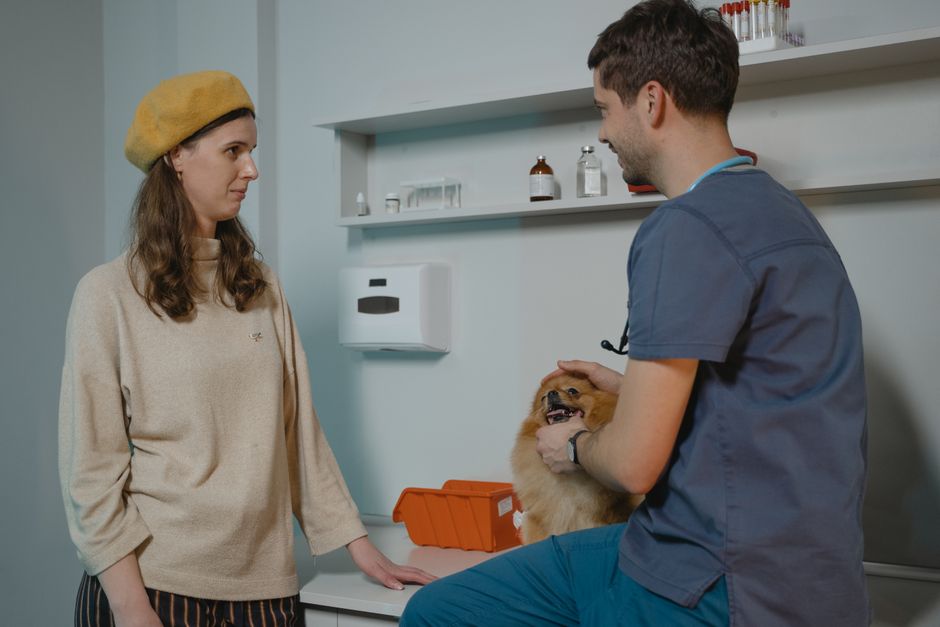
Staying proactive is the key to keeping your pet healthy and comfortable as the seasons change. For most dogs and cats, a routine wellness examination is the cornerstone of preventive care each fall. During this visit, our veterinary team will check for early signs of illness, monitor your pet’s weight and body condition, update any necessary vaccines, and evaluate for parasitic infections that are common in Ohio during September.
Parasite prevention should remain a top priority, as fleas and ticks can stay active well into the fall. Continuing your pet’s monthly flea and tick preventives is crucial to avoid infestations and the diseases these pests can carry. If your pet’s current preventive isn’t working as well as you’d like or if you’re unsure which product is best for your dog or cat, our veterinarians can recommend safe and effective options during your next visit.
For pets with allergies or sensitive skin, early fall can mean more itching, redness, or ear discomfort. Our veterinary dermatology services can help identify the source of your pet’s symptoms and provide customized treatments, whether it’s medication, medicated shampoos, or allergy management strategies.
Nutrition adjustments may also be necessary. If your pet is gaining weight as activity decreases, our dog nutrition guidance and dietary care and cat nutrition and food guidance for feline health services can help you tailor their diet to maintain a healthy weight and optimal energy levels.
Home Care Tips for a Healthy Fall
Caring for your pet at home is just as important as regular veterinary visits. To support your pet’s health this September, try to keep walks and playtime consistent, even as the weather cools. Adjust your pet’s calories if they’re less active, and keep fresh water available at all times, since indoor heating can dry out the air and increase your pet’s water needs.
Keep your home and yard clear of leaf piles and standing water, which can harbor parasites or mold. Regularly check your pet for fleas and ticks after outdoor adventures, especially if you visit parks or wooded areas. Brushing your pet more frequently helps remove dead hair and allergens, and provides a good opportunity to check for any skin issues.
If your pet suffers from allergies, consider using air purifiers indoors and wiping paws after walks to remove pollen or mold spores. Monitor for any signs of respiratory discomfort or skin flare-ups, and consult our veterinary team if symptoms worsen.
Finally, pay attention to behavioral changes. If your pet seems anxious with changes in household routines, offer extra comfort, toys, and interactive play to ease the transition. Our team can provide advice on managing separation anxiety or refer you for a behavior consultation if needed.
When to Bring Your Pet to Northwest Animal Hospital
While many fall health concerns can be managed at home with good preventive care, there are times when a veterinary visit is essential. Schedule an appointment if your pet shows persistent symptoms like itching, licking, skin redness, hair loss, coughing, sneezing that lasts more than a few days, a sudden decrease in energy or appetite, unexplained weight changes, or any signs of pain or lameness. Pets with chronic conditions or those on regular medications should have their health monitored closely as the seasons change, since cooler weather can sometimes worsen arthritis or other medical problems.
If you are concerned about a potential parasite problem, a sudden behavioral shift, or you want to ensure your pet’s vaccines and preventives are up to date, our team is here to help. Early intervention often leads to better outcomes and greater peace of mind for you and your pet.
Supporting Your Pet’s Fall Wellness: Our Commitment to Your Pet’s Health
At Northwest Animal Hospital, we are passionate about partnering with Columbus pet owners to make every season a safe and happy one for dogs and cats. By following this September pet health checklist, you can help your pet enjoy all the fun and comfort that fall has to offer. We encourage you to be proactive—schedule your pet’s comprehensive pet exam, ask about the best preventive care options, and reach out with any questions or concerns you may have about your pet’s health.
When searching for a trusted "vet near me," remember that our compassionate veterinary team is ready to serve you and your pet right here at 1071 Old Henderson Road, Columbus, OH 43220. To schedule an appointment or learn more about our full range of services, call us at (614) 451-4772. We look forward to helping your pet stay healthy, active, and comfortable as autumn arrives in Columbus and surrounding communities.
This blog is intended for informational purposes only and does not replace professional veterinary advice. Always consult your veterinarian with specific questions or concerns about your pet’s health.
For more tips on keeping your pet safe and happy in our region, explore our pet-friendly guide to Columbus, Ohio.