Preparing Your Dog for Cold, Wet Columbus Weather
Preparing Your Dog for Cold, Wet Columbus Weather
As November arrives and the temperatures in Columbus, OH start to dip, many pet owners begin to wonder how to keep their dogs warm, dry, and healthy through the colder, wetter months. At Northwest Animal Hospital, located at 1071 Old Henderson Road, Columbus, OH 43220, we know that Ohio’s unpredictable winter weather can bring everything from chilly rain to heavy snow, making it a challenge to keep your dog comfortable and active. Whether you are concerned about icy sidewalks on your morning walk or wondering how to manage your dog’s energy indoors during a cold snap, we are here to help. In this blog, you will find practical guidance for recognizing cold-weather risks, understanding how the season affects your dog’s health, and taking proactive steps to ensure your best friend stays happy and well all winter long. We will also show you how regular care at Northwest Animal Hospital supports your dog’s wellbeing, so you can feel confident facing whatever the Columbus weather brings.
Recognizing When Your Dog Feels the Chill
Not all dogs react to cold and wet weather in the same way. Some breeds with thick, double-layered coats seem to thrive in cool conditions, while others, especially those with short hair, small bodies, or health challenges, may struggle as temperatures drop. As a pet owner, it is important to watch for signs that your dog is feeling uncomfortable or at risk in the cold. Key symptoms of cold stress include shivering, whining, reluctance to go outside, and seeking out warm or sheltered spots in your home. You may also notice your dog lifting its paws frequently, moving stiffly after being outside, or showing signs of anxiety during winter storms. For some dogs, exposure to cold and wet conditions can even lead to medical issues such as chapped paws, skin irritation, or respiratory symptoms. By paying close attention to your dog’s behavior and physical condition, you can catch early warning signs before they turn into health problems.
Why Columbus Winters Are Tough on Dogs
Columbus is known for its rapidly changing weather patterns, which often means a mix of freezing rain, snow, and blustery winds throughout the winter season. These conditions can be tough on dogs, especially those who are used to spending more time outdoors during milder months. Dogs lose heat more quickly than humans in cold, damp weather, and factors such as body size, age, breed, and coat type all influence their ability to stay warm. Young puppies, senior dogs, and those with chronic health conditions often have a harder time regulating their body temperature, making them more vulnerable to hypothermia or frostbite. Additionally, wet fur loses its insulating properties, so a dog that gets soaked during a walk in the rain or snow may become chilled even on days when the thermometer is not at its lowest. Salt and de-icing chemicals used on sidewalks can further irritate your dog’s paws, leading to cracked skin or discomfort. Understanding these local risks helps you make better decisions about when and how to let your dog outside and what precautions to take.
How Northwest Animal Hospital Supports Your Dog’s Winter Health
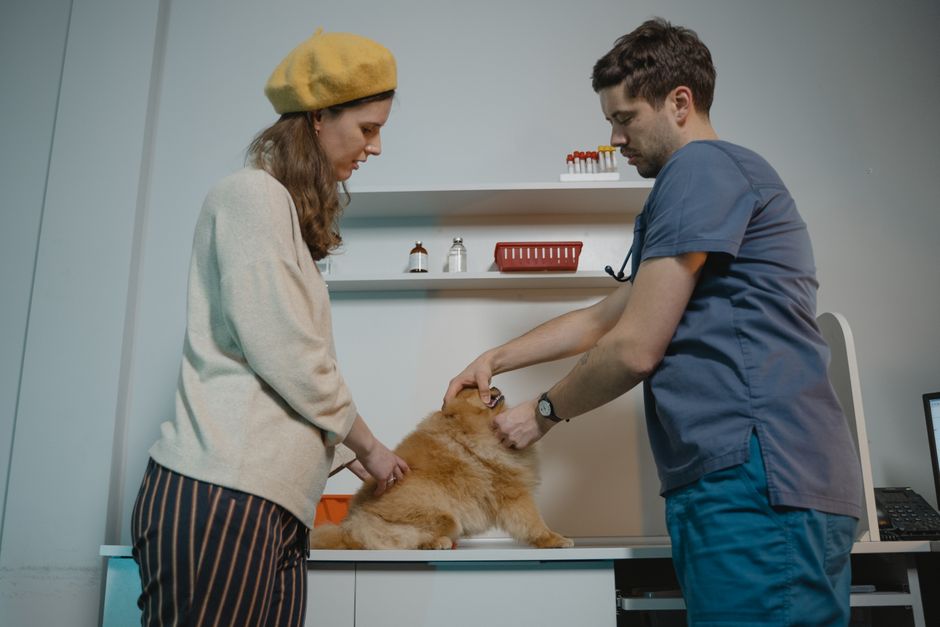
Regular veterinary care is one of the most effective ways to ensure your dog stays healthy throughout the winter. At Northwest Animal Hospital, our team of veterinarians provides thorough dog wellness exams that include checking your dog’s body condition, skin health, and overall resilience to seasonal changes. During a wellness examination, we may discuss your dog’s current routine, indoor and outdoor activities, and any noticeable changes in behavior or appetite. For dogs with existing health concerns, such as arthritis or respiratory issues, our veterinary professionals can recommend tailored management plans to address increased stiffness or breathing difficulties in cold weather. We also offer advice on keeping your dog’s coat and skin in top shape, addressing any signs of irritation that may appear as a result of cold or damp conditions. If you notice excessive licking, redness, or sores on your dog’s skin or paws, a visit to our veterinary dermatology service can help identify and resolve underlying problems before they worsen.
Managing Diet and Activity Levels
Cold weather can affect your dog’s nutritional needs and energy levels. Some dogs may become less active, leading to weight gain, while others may need extra calories to maintain body heat, especially if they spend significant time outdoors. Our team offers personalized dog nutrition guidance, helping you adjust your dog’s diet to fit their age, breed, and lifestyle throughout the winter months. If you are concerned about your dog’s weight, appetite, or digestion, bringing these topics up during a wellness visit can help us create a plan that keeps your dog feeling their best.
Keeping Your Dog Comfortable at Home
There is a lot you can do at home to help your dog cope with the drop in temperatures and increased precipitation that come with Columbus winters. Providing a warm, dry place for your dog to rest is essential, whether that means a cozy bed away from drafts or an indoor crate lined with blankets. After walks, it is important to towel off your dog’s fur and paws, checking for signs of irritation or debris stuck between the toes. Many pet owners find that using dog-safe balms or booties can protect sensitive paw pads from salt and ice, reducing the risk of cracking or injury. Limiting the amount of time your dog spends outside during particularly harsh weather helps prevent exposure-related problems, but it is also important to keep your dog mentally and physically stimulated indoors. You can find creative ideas for indoor exercise and enrichment in our dog activities and fun ideas for keeping pets active in Columbus resource. Simple games, training sessions, and puzzle toys go a long way toward keeping your dog happy and healthy when outdoor adventures are limited.
Addressing Skin and Allergy Issues
Cold, dry air and exposure to irritants can cause or worsen skin and coat issues for some dogs. Symptoms to watch for are persistent itching, flaking, redness, or the development of hot spots. If your dog starts to show these signs, it may be time to consider an appointment for dog allergy testing or a dermatology consultation. Our veterinary team can help you pinpoint environmental triggers and recommend safe, effective treatments to soothe your dog’s skin and keep winter allergies under control.
When to Seek Veterinary Care for Cold Weather Concerns
Knowing when to bring your dog to the veterinarian is an important part of winter pet care. Warning signs that require prompt attention include persistent shivering, lethargy, difficulty breathing, or pale gums, which may indicate hypothermia or more serious health problems. If your dog develops raw, bleeding, or swollen paws, sudden lameness, or refuses to go outside altogether, it is best to consult our veterinary professionals for evaluation and treatment. Sudden changes in appetite, increased water consumption, or unexplained weight loss are also reasons to schedule an appointment, as these may point to underlying health issues that can be aggravated by cold or stress. Our urgent veterinary care service is available for illness or weather-related health concerns that cannot wait until your next routine visit. If you are ever unsure about your dog’s symptoms, we encourage you to call our team for guidance; early intervention is often the key to a quick recovery.
Prevention: Building a Winter Wellness Routine
A proactive approach to winter care helps your dog stay resilient as the seasons change. Steps include keeping up with regular wellness visits, adjusting diet and activity based on your dog’s needs, and providing protection from the elements. Investing in weather-appropriate gear, such as waterproof coats and paw protection, can make outdoor excursions safer and more enjoyable for both you and your dog. Monitoring your dog’s skin and coat, maintaining a clean and dry living environment, and staying attentive to changes in behavior all contribute to a healthier, happier winter season. Our veterinary team is here to partner with you, offering expert advice and care tailored to your dog’s unique needs.
Your Local Partner for Cold Weather Dog Care in Columbus
Winter in Columbus does not have to mean sacrificing your dog’s comfort or wellbeing. With a little extra attention and support from the veterinarians at Northwest Animal Hospital, you can help your pup thrive, no matter how chilly or wet the weather becomes. Our comprehensive physical exams and seasonal care recommendations are designed to keep your dog healthy year-round. If you have questions about your dog’s winter routine, notice new or concerning symptoms, or simply want to learn more about keeping your dog active and happy indoors, we invite you to schedule an appointment with our team. When you are searching for a vet near me who truly understands the local climate and your priorities as a pet owner, Northwest Animal Hospital is ready to help. You can reach us at (614) 451-4772 or visit us at 1071 Old Henderson Road, Columbus, OH 43220. Our commitment is to provide your dog with the highest standard of veterinary care throughout the winter and beyond, ensuring you both enjoy the season with peace of mind.
This article is intended for informational purposes only and does not replace professional veterinary advice. For specific concerns about your dog's health or comfort, please consult with our veterinary team.