Summer Itch: Managing Pet Allergies in Columbus
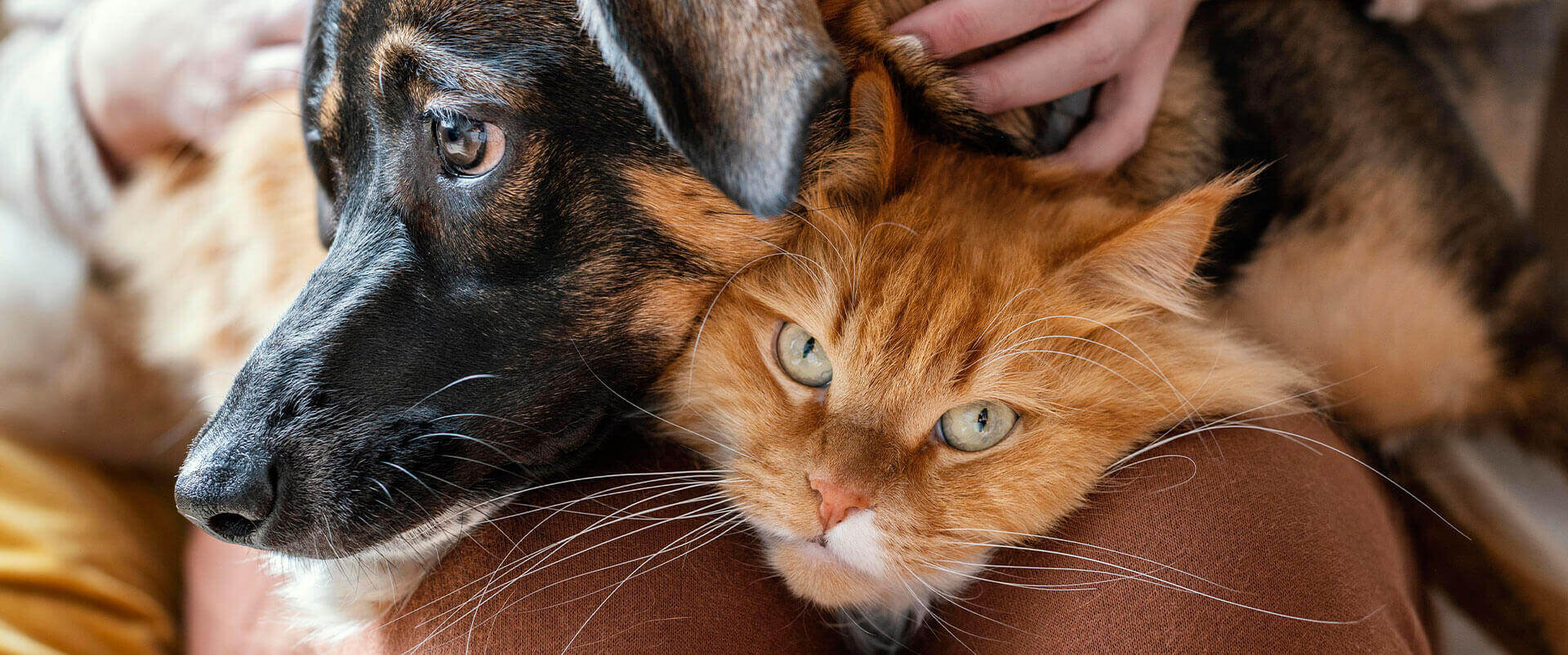
Summer Itch: Managing Pet Allergies in Columbus
As summer arrives in Columbus, many pet owners notice their dogs or cats scratching, licking, or rubbing more than usual. If you have found yourself wondering why your normally comfortable companion seems suddenly bothered by itchy skin, you are not alone. Seasonal allergies are a common challenge for pets in our region, especially as pollen counts rise and outdoor activities increase. At Northwest Animal Hospital, located at 1071 Old Henderson Road, Columbus, OH 43220, our veterinary team sees a surge in allergy-related visits each summer. In this guide, we will help you recognize the signs of pet allergies, explain why they happen, offer practical tips for relief, and let you know when it is time to schedule an appointment for professional care. Our goal is to keep your dog or cat comfortable all season long and support your peace of mind as a pet owner.
Spotting the Signs: Is Your Dog or Cat Suffering from Summer Allergies?
Knowing how to identify allergic symptoms early can make a big difference in your pet’s comfort and long-term skin health. Many pet owners first notice that their dog or cat is scratching more frequently than usual, but there are additional signs to watch for. Key symptoms of seasonal allergies in pets include persistent licking or chewing of the feet, belly, or tail base, red or inflamed skin, hair loss in patches, and frequent shaking of the head or scratching at the ears. Some pets may develop watery eyes, sneezing, or even mild coughing. Cats in particular may show subtle changes, such as grooming excessively or developing small scabs along their neck and back.
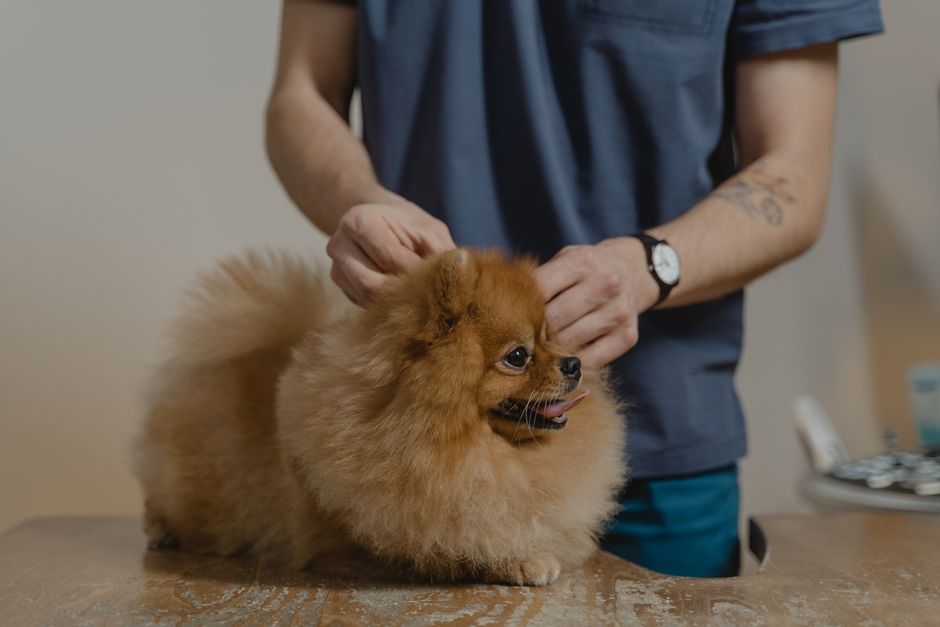
It is important to recognize that allergy symptoms can look similar to those of other skin problems, including infections or parasites. If you are unsure whether your pet’s itching is due to allergies or something else, a veterinary examination is the best way to pinpoint the cause. Our comprehensive physical exams are designed to identify underlying issues and develop a tailored plan for your pet’s needs.
Why Do Pet Allergies Flare Up in Columbus Summers?
Understanding the causes behind your pet’s summer itch can help you manage their environment and reduce discomfort. Seasonal allergies, also known as atopic dermatitis or atopy, occur when a pet’s immune system overreacts to environmental triggers. In Columbus, these triggers often include pollens from grasses, trees, and weeds, as well as mold spores, dust mites, and even insect bites. Warm, humid weather and an increase in outdoor activity raise your pet’s exposure to these allergens.
Certain breeds are more prone to allergies; dogs such as retrievers, terriers, bulldogs, and pugs, as well as cats with sensitive skin, may develop symptoms at a younger age. Allergies may also be influenced by your pet’s overall immune health, previous exposure, and even genetics. It is not uncommon for pets who have had mild itching in the past to experience more severe issues during particularly high pollen seasons.
Allergy symptoms can be complicated further by secondary bacterial or yeast infections, as repeated licking and scratching break down the natural skin barrier. If your pet’s skin appears red, moist, or has a strong odor, it is essential to seek prompt veterinary attention to prevent further discomfort.
Veterinary Allergy Treatment and Relief Options
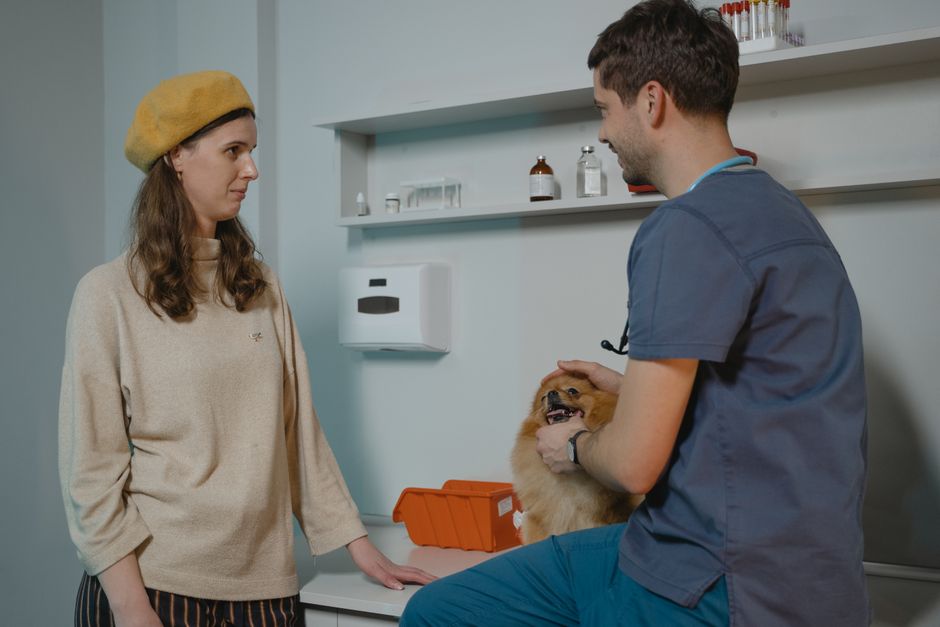
Managing pet allergies requires a multi-faceted approach, tailored to your dog or cat’s specific symptoms and triggers. At Northwest Animal Hospital, our veterinary team begins with a detailed history and physical examination to rule out other causes of itching. Diagnostic tools such as skin scrapings, cytology, and allergy testing may be used to identify the underlying issue and detect any secondary infections.
Treatment options for seasonal allergies often involve reducing inflammation and soothing your pet’s skin. Medications may include antihistamines, prescription-strength topical sprays or creams, and for more severe cases, oral medications such as steroids or immune-modulating drugs. For pets who develop recurrent symptoms each year, allergy testing and long-term desensitization therapy (allergen-specific immunotherapy) may be discussed as a way to reduce the immune system’s overreaction over time. If you are interested in learning more about veterinary allergy diagnostics, our dog allergy testing services provide detailed information about the process and what to expect.
Managing secondary skin infections is equally important. Your veterinarian may prescribe medicated shampoos, antibiotics, or antifungal medications if needed. For cats and dogs with ongoing skin issues, our dermatology services address a wide range of skin problems, from allergies to infections and everything in between.
Home Care and Prevention for Seasonal Allergies
While professional veterinary care is key to managing allergies, there are several practical steps you can take at home to reduce your pet’s exposure to allergens and ease symptoms. Bathing your dog regularly with a gentle, hypoallergenic shampoo can help remove pollen and other irritants from their coat and skin. Wiping your pet’s paws and belly with a damp cloth after outdoor walks is another effective strategy, as this limits the amount of pollen brought indoors.
Vacuuming carpets and upholstery frequently, using air purifiers, and keeping windows closed on high pollen days can also help minimize allergen exposure inside your home. For cats, providing soft bedding that is washed regularly and encouraging indoor playtime during peak pollen hours are helpful tactics. Some owners find that dietary supplements such as omega-3 fatty acids support skin health, though you should always consult your veterinarian before making any changes to your pet’s diet or supplement routine.
Monitoring your pet for changes in scratching or grooming patterns allows you to catch early signs of discomfort and address them before they progress. If you notice a new rash, open sores, or sudden changes in behavior, it is time to check in with your veterinary team for further advice.
When to Seek Veterinary Help for Your Pet’s Allergies
It is natural to try home remedies first, but certain signs mean your pet needs professional attention as soon as possible. If your dog or cat is scratching so much that they are losing hair, developing open wounds, or seem distressed, a veterinary visit is warranted. Other reasons to seek care include persistent ear infections, foul-smelling skin, or if your pet is lethargic or refusing food due to discomfort. Allergies can occasionally cause severe reactions, including facial swelling or difficulty breathing, which require urgent care.
At Northwest Animal Hospital, we encourage you to schedule an appointment if you are concerned about your pet’s skin or behavior. Our team is here to help you determine the best course of action, provide relief, and rule out more serious conditions. If you are unsure whether your pet’s symptoms are urgent, our urgent care services offer support for sudden or severe health issues, including allergy emergencies.
For those struggling with behavioral changes related to itching or discomfort—such as anxiety, restlessness, or aggression—our behavior consultations can help address both the physical and emotional impact of allergies on your pet’s well-being.
Keeping Your Pet Comfortable: Support from Your Local Columbus Veterinarian
Summer allergies can be a frustrating and uncomfortable experience for both pets and their owners, but with the right knowledge and veterinary support, most dogs and cats can enjoy the season comfortably. By recognizing the early signs of allergies, taking proactive steps at home, and seeking timely veterinary care when needed, you can help your pet stay healthy and happy all summer long.
If you are searching for a veterinarian near me who truly understands seasonal pet allergies in Columbus, look no further than Northwest Animal Hospital. Our compassionate veterinary professionals are dedicated to providing advanced medical care, clear guidance, and ongoing support for your pet’s unique needs. To schedule an appointment or discuss your concerns, call us at (614) 451-4772 or visit our Columbus location. We are here to help your pet feel their best—this summer and all year round.
For more information on allergy management and dermatology care, explore our comprehensive dermatology services or reach out to our team for guidance tailored to your dog or cat. Your pet’s comfort and well-being are our top priorities at Northwest Animal Hospital.