Managing Pet Allergies in Columbus: Summer Relief for Dogs and Cats
Managing Pet Allergies in Columbus: Summer Relief for Dogs and Cats
Is your dog or cat scratching more than usual this July? As the summer humidity rises in Columbus, many pet owners notice their companions developing red, itchy skin, watery eyes, or even chronic ear infections. Seasonal allergies are a common problem for dogs and cats, especially during the muggy months when pollen, mold, and other irritants are at their peak. At Northwest Animal Hospital, located at 1071 Old Henderson Road, Columbus, OH 43220, our veterinary team frequently helps families manage pet allergies and find lasting relief for their beloved animals. In this blog, we will explore why summer conditions make allergies worse, how to spot the signs of allergic reactions, what triggers are most common in Columbus, and the best ways to keep your pet comfortable. Whether you are in Columbus or the surrounding communities, understanding how to care for your pet’s allergies can make all the difference in their quality of life.
Recognizing the Signs of Allergies in Dogs and Cats
Pets often show allergy symptoms in ways that can be subtle at first but quickly become hard to ignore. For many dogs and cats, the first sign is frequent scratching or licking, especially around the paws, ears, belly, and face. Other indications include red or inflamed skin, hair loss in affected areas, recurring ear infections, watery eyes, sneezing, or the appearance of small bumps or rashes. In some cases, you may notice your pet chewing at their feet or rubbing their face along the carpet or furniture to relieve itching. Cats can sometimes over-groom, leading to bald patches or irritated skin. Dogs, on the other hand, may develop hot spots or open sores from constant licking. If you observe any of these signs, especially as summer progresses, allergies could be the underlying cause.
When symptoms persist for more than a few days, worsen after outdoor exposure, or if your pet seems increasingly uncomfortable, it is time to consider a professional evaluation. Early recognition is key to preventing secondary infections and more severe skin issues.
Why Do Summer Allergies Get Worse in Columbus?
Columbus is known for its lush greenery and humid summers, which unfortunately contribute to high levels of environmental allergens. The combination of heat, moisture, and abundant plant life creates the perfect conditions for pollen, mold spores, and dust mites to thrive. During late spring and throughout the summer, grass and weed pollens fill the air, affecting both people and their pets. Mold spores can also multiply quickly in damp yards, basements, and even pet bedding that does not dry out completely between washes.
Humidity is a major factor that can intensify allergy symptoms. Moisture in the air allows allergens to stick to your pet’s fur and skin, increasing the duration of exposure. Dogs that spend time outdoors in the early morning or late evening, when pollen counts are highest, may bring more irritants inside. Similarly, cats that lounge near open windows or venture outdoors can be affected by airborne allergens.
Beyond environmental triggers, flea populations also spike during warm, humid months. Flea allergy dermatitis is one of the most common causes of intense itching in both dogs and cats. Even a single flea bite can set off a severe reaction in sensitive animals. Understanding these seasonal factors helps pet owners recognize why allergy symptoms often spike during Columbus summers.
Common Allergy Triggers for Pets in Central Ohio
In Columbus and surrounding communities, the most frequent allergy triggers for dogs and cats include grass pollen, tree pollen, ragweed, mold spores, house dust mites, and fleas. Many pets develop “atopic dermatitis,” which is a skin reaction to environmental allergens. Reactions to food ingredients, such as certain proteins or grains, can also mimic seasonal allergy symptoms, but these are less likely to be tied directly to summer weather.
Fleas are a persistent problem in Ohio during the warmer months. Even pets that receive regular flea prevention can occasionally develop reactions if a single flea slips through. In addition to biting insects, molds and dust mites thrive in humid homes, especially in areas with carpeting, soft furniture, or cluttered storage.
Contact allergies, though less common, can occur when pets come into direct contact with certain plants, cleaning products, or even materials like rubber or plastic. It is important for pet owners to observe when and where symptoms seem to flare up, as this can help your veterinarian pinpoint the most likely culprits.
How Veterinary Teams Diagnose and Treat Pet Allergies
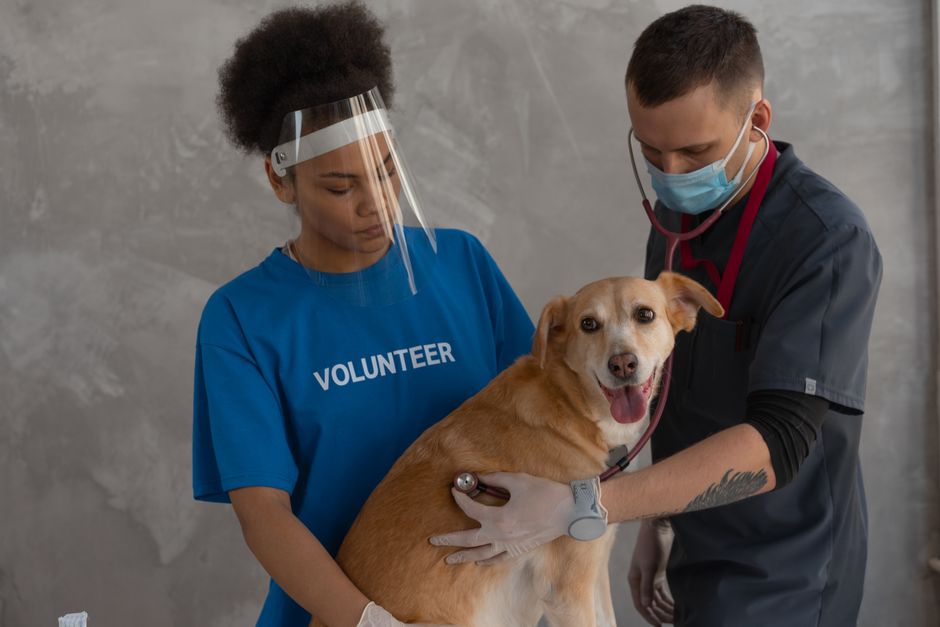
Diagnosing pet allergies begins with a thorough history and a physical exam by a veterinarian. At Northwest Animal Hospital, our team may ask about your pet’s daily routines, diet, and any recent changes in their environment. We often recommend a comprehensive physical exam to assess your pet’s overall health and rule out other causes of skin and ear problems.
Allergy testing may be suggested for chronic or severe cases, especially if symptoms do not improve with basic management. Dog allergy testing and relief services can help identify specific environmental or food allergens, allowing for more targeted treatment plans. For cats, our cat allergy care focuses on identifying triggers and providing effective management strategies.
Treatment approaches depend on the underlying cause and severity of symptoms. For many pets, management involves a combination of regular bathing with hypoallergenic shampoos, prescription medications to reduce itching and inflammation, and strict flea control. In some cases, your veterinarian may prescribe antihistamines, corticosteroids, or newer medications designed specifically for allergic pets. For animals with secondary infections, antibiotics or antifungal medications may be needed. Our veterinary team can also recommend topical therapies and nutritional supplements that support skin health and reduce allergic flare-ups.
In addition to medical treatments, our dermatology services provide advanced care for pets with persistent or complicated skin and allergy issues. Whether your dog needs help with recurring hot spots or your cat struggles with itchy ears, we are equipped to find the right solution for your companion.
Home Care and Prevention Tips for Pet Allergies
While professional care is essential for managing moderate to severe allergies, there are many steps you can take at home to help keep your pet comfortable. Regular bathing with veterinarian-approved shampoos can remove allergens from your pet’s coat and soothe irritated skin. Wiping your dog’s paws and belly after walks helps limit the amount of pollen and dust they bring inside. For cats, using unscented, dust-free litter can reduce irritation from airborne particles.
Frequent cleaning of bedding, carpets, and furniture is important, especially during peak allergy season. Washing your pet’s bedding weekly in hot water, vacuuming with a HEPA filter, and using air purifiers can all help reduce indoor allergen levels. Keeping windows closed during high pollen days and using air conditioning instead of fans can further limit exposure.
Maintaining year-round flea prevention, even for indoor pets, is crucial in Columbus where fleas remain active throughout the summer. Your veterinarian can recommend the safest, most effective products for your animal’s needs.
Nutrition also plays a role in skin health. Feeding a balanced, high-quality diet and considering supplements such as omega-3 fatty acids can help strengthen your pet’s natural skin barrier. If your veterinarian suspects a food allergy, a dietary elimination trial may be recommended to identify problem ingredients.
When Should You Seek Veterinary Care for Pet Allergies?
While mild allergies can often be managed with home care, there are situations where professional help is essential. You should schedule an appointment with our veterinary team if your pet’s symptoms persist for more than a week, worsen despite bathing and cleaning, or if you notice signs of secondary infection such as open sores, oozing, or foul odor from the skin or ears.
Other warning signs include persistent coughing, wheezing, difficulty breathing, or sudden swelling of the face or limbs. These symptoms can indicate a more serious allergic reaction and require immediate attention. Chronic ear infections, hair loss, and significant changes in behavior or appetite are also reasons to have your pet evaluated promptly.
Our veterinarians at Northwest Animal Hospital are experienced in diagnosing and managing pet allergies, and we are here to help you find relief for your companion. If you are unsure whether your pet needs to be seen, our team is happy to answer your questions and offer guidance based on your situation.
Supporting Your Pet’s Comfort All Summer Long
Pet allergies can be challenging, but with the right preventive strategies and veterinary support, most dogs and cats can enjoy a comfortable, itch-free summer. Recognizing the signs early, minimizing allergen exposure, and seeking professional care when needed are the cornerstones of effective allergy management.
If you are searching for a trusted "vet near me" in Columbus or the surrounding communities, Northwest Animal Hospital is dedicated to helping your pets thrive. Our compassionate veterinary team offers comprehensive evaluations, advanced allergy testing, and dermatology services tailored to your animal’s unique needs. To schedule an appointment or discuss your concerns, call us at (614) 451-4772 or visit our practice at 1071 Old Henderson Road, Columbus, OH 43220. For more information about our services, including cat allergy care, dog allergy testing and relief, and pet dermatology, explore our website at nwah.com.
Your pet’s comfort and wellbeing are always our top priority. Let us help your dog or cat find lasting relief from summer allergies, so you can both enjoy all that the season has to offer. As always, please consult our veterinary professionals for advice tailored to your specific pet’s needs.