Managing Pet Allergies: Tips for Columbus Dog and Cat Owners
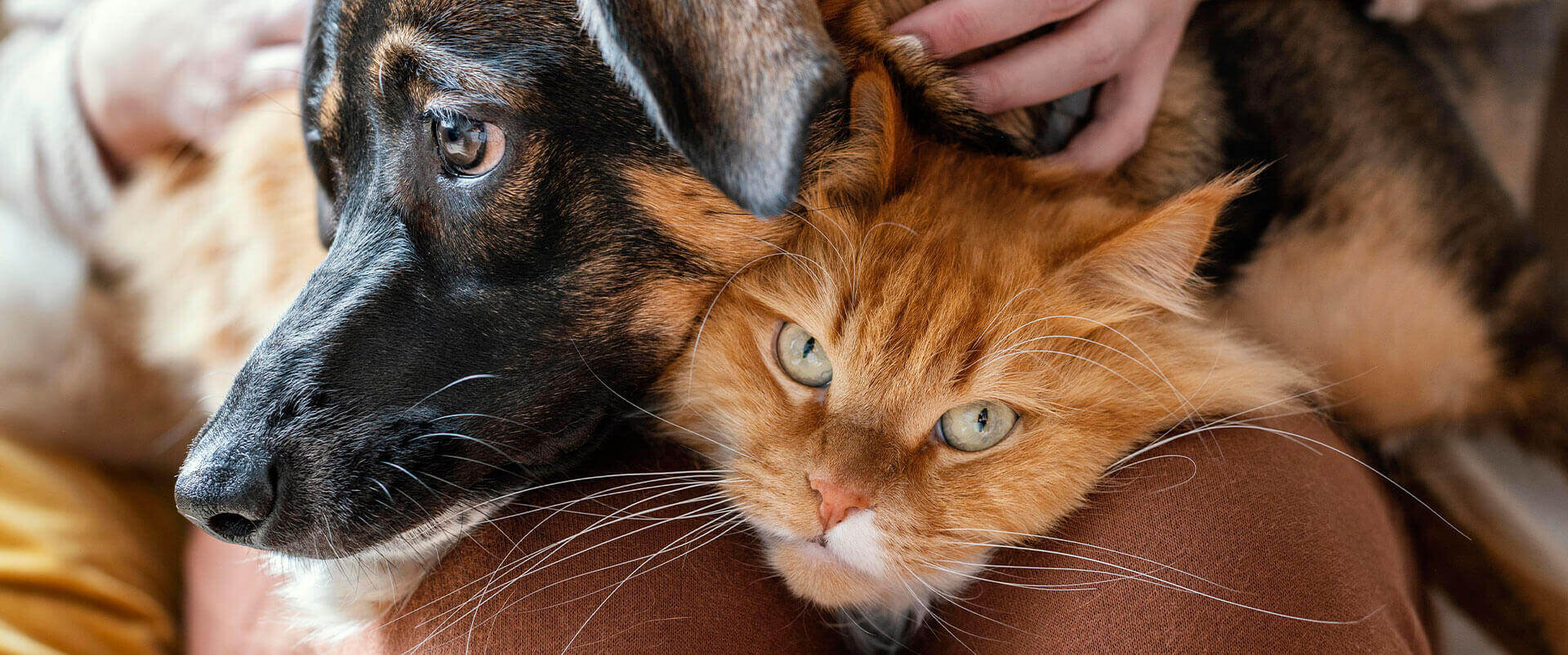
Managing Pet Allergies: Tips for Columbus Dog and Cat Owners
If you’ve noticed your dog or cat scratching more than usual, sneezing, or suffering from constant ear troubles, you are not alone. Pet allergies are a common concern for many families in Columbus, especially as the seasons change and allergens flourish. At Northwest Animal Hospital, our veterinary team is dedicated to helping your pets live comfortably, no matter what the Ohio climate throws their way. In this comprehensive guide, we’ll explore how to recognize allergy symptoms in dogs and cats, what causes these issues, practical steps for reducing triggers at home, and when it’s time to schedule an appointment with your trusted veterinarians here at 1071 Old Henderson Road, Columbus, OH 43220. Whether you’re dealing with itchy skin, watery eyes, or unexplained hot spots, our goal is to give you the tools and knowledge to keep your four-legged family members healthy and happy all year long.
How to Recognize Allergy Symptoms in Your Dog or Cat
Allergy symptoms in pets can be subtle at first, but over time, they often become more persistent and disruptive. Some key indicators that your dog or cat may be struggling with allergies include frequent scratching, biting, or licking at the skin, especially around the paws, belly, or ears. You might also notice red, inflamed skin, hair loss, or the appearance of small bumps. In many cases, pets with allergies develop chronic ear infections, so keep an eye out for head shaking, ear scratching, or a foul odor coming from the ears.
Respiratory symptoms are less common in dogs and cats compared to humans, but some pets will develop sneezing, coughing, or watery eyes. Digestive upset, such as vomiting or diarrhea, can occasionally occur, especially if the allergy is related to food. If your pet is constantly uncomfortable or you notice open sores, scabs, or recurring infections, it’s time to take these signs seriously and seek guidance from your veterinary team.
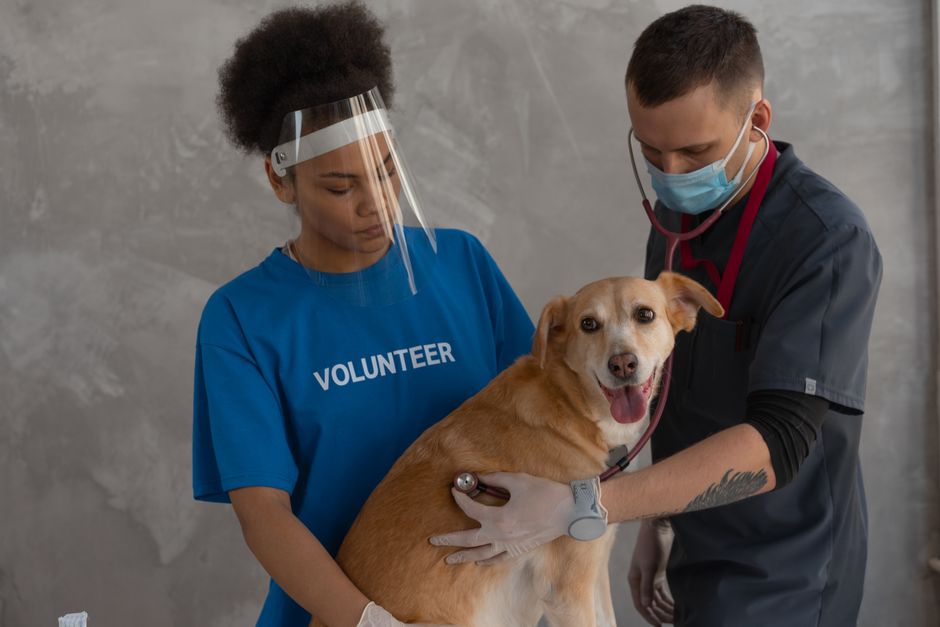
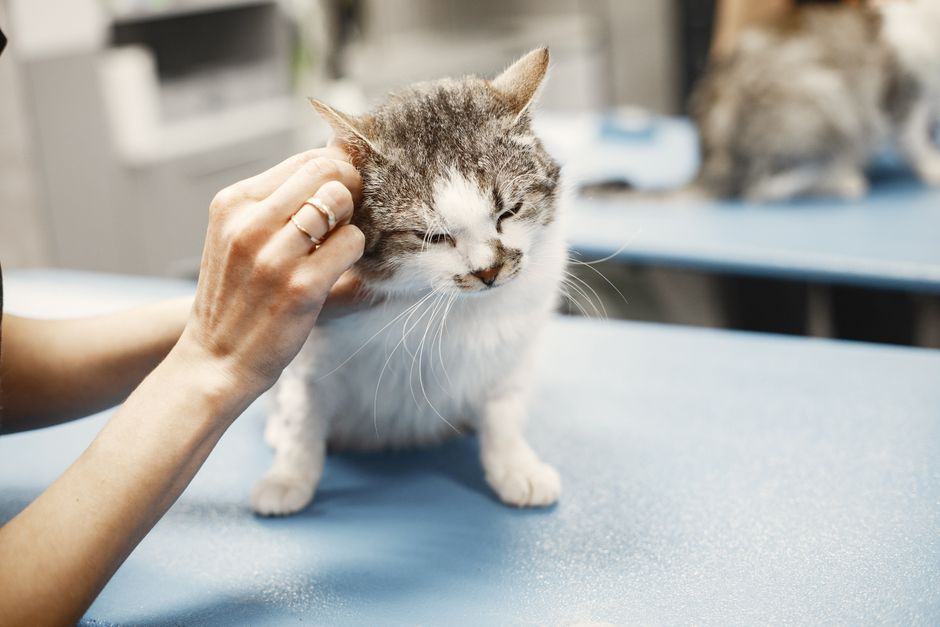
Because every animal is unique, it can be challenging to determine whether your pet’s symptoms are allergy-related or caused by another underlying issue. During a comprehensive physical exam, our veterinarians carefully assess all aspects of your pet’s health to pinpoint the source of discomfort and rule out other conditions.
Understanding the Causes of Pet Allergies in Columbus
Just like people, pets can react to a wide range of environmental and dietary allergens. In Columbus and surrounding communities, dogs and cats are often exposed to seasonal pollen from grasses, trees, and weeds, which can trigger flare-ups in the spring and summer months. Indoor allergens, such as dust mites, mold spores, and even certain cleaning products, can also play a role year-round.
Flea allergies are a leading cause of itching in both cats and dogs. Even a single flea bite can set off a severe reaction in sensitive animals. Food allergies, while less common than environmental ones, are another possibility and may cause skin problems as well as digestive disturbances.
It’s important to remember that pets can develop allergies at any age, and repeated exposure to specific triggers can lead to worsening symptoms over time. Genetics also play a role, with some breeds being more prone to allergies than others. Our experienced veterinary team at Northwest Animal Hospital understands the regional trends in allergy cases and uses this knowledge to inform diagnostic and management strategies.
Professional Treatment Options for Pet Allergies
There’s no one-size-fits-all solution for pet allergies, which is why individualized care is so important. The first step in successful allergy management is a thorough diagnosis. This may include a detailed medical history, a physical examination, and sometimes specific allergy testing to identify triggers. For many dogs, allergy testing and treatment services can pinpoint environmental allergens and pave the way for targeted therapies. Cats with persistent skin or ear issues may benefit from specialized feline allergy diagnosis and treatment.
Treatment approaches often involve a combination of strategies. Medications, such as antihistamines or prescription anti-itch medications, can provide relief for many pets. For some, immunotherapy (allergy shots or oral drops) may be recommended based on test results. Managing secondary infections, such as bacterial or yeast skin infections, is also a key part of restoring comfort.
Our team also offers advanced dermatology services for pets with complex or chronic skin problems. We use the latest diagnostic tools and treatment protocols to ensure your pet receives the highest standard of care. In cases where food allergies are suspected, your veterinarian might recommend a special elimination diet to identify problem ingredients.
Reducing Allergic Triggers at Home
While professional care is essential, there are many steps you can take at home to help manage your pet’s allergies and minimize flare-ups. Regular bathing with veterinarian-recommended shampoos can help remove allergens from your pet’s coat and soothe irritated skin. Frequent vacuuming and washing of bedding reduces exposure to dust, pollen, and dander.
For pets with outdoor allergies, wiping their paws and coat after walks can decrease the amount of pollen they bring inside. Using air purifiers and keeping windows closed during high-pollen days can also make a difference. When it comes to food allergies, following your veterinarian’s dietary recommendations and avoiding treats with unknown ingredients is crucial.
Flea prevention is another vital component of allergy management. Year-round protection with an effective flea control product can prevent the cycle of bites and itching for pets who are sensitive to flea saliva. Our veterinarians are happy to help you choose the safest and most effective option for your pet’s needs.
When to Seek Veterinary Care for Your Pet’s Allergies
Knowing when to reach out for professional help can make all the difference in your pet’s comfort and long-term health. If you notice persistent itching, hair loss, recurrent ear infections, or open sores that do not resolve with basic home care, it’s time to schedule an appointment. Additionally, if your dog or cat is experiencing symptoms like difficulty breathing, severe swelling, or sudden vomiting and diarrhea, seek veterinary care right away, as these can be signs of a more serious allergic reaction.
At Northwest Animal Hospital, we encourage proactive care and early intervention. Our team is equipped to handle everything from routine comprehensive physical exams to urgent allergic emergencies, ensuring your pet receives prompt attention when it matters most. If you’re unsure whether your pet’s symptoms warrant a visit, our compassionate team of veterinarians is always happy to offer advice and guidance.
Supporting Lasting Comfort for Your Dog or Cat
Managing pet allergies is often an ongoing process, but with the right support and treatment, your dog or cat can enjoy a comfortable, happy life. By staying alert to changes in your pet’s skin, ears, or behavior and working closely with your veterinary team, you can catch problems early and prevent complications. Remember that even mild allergies can progress if left untreated, so don’t hesitate to reach out for help.
If you’re searching for a trusted veterinarian near me in Columbus or the surrounding areas, look no further than Northwest Animal Hospital. Our friendly and knowledgeable veterinarians are ready to partner with you in keeping your pet healthy through every season. To schedule an appointment for allergy evaluation, personalized treatment, or a regular wellness visit, call us at (614) 451-4772 or visit our modern facility at 1071 Old Henderson Road, Columbus, OH 43220.
If you want to learn more about our diagnostic and treatment options for itchy skin, ear problems, or persistent allergies, explore our dedicated pages on cat allergies, dog allergy testing and treatment, or dermatology services. Our veterinary professionals are here to help you and your pets live your best lives together.